Are old decanters worth anything?
A different question from whether a decanter is worth buying. Most inherited decanters are worth very little, and the ones that are not follow a recognizable pattern.
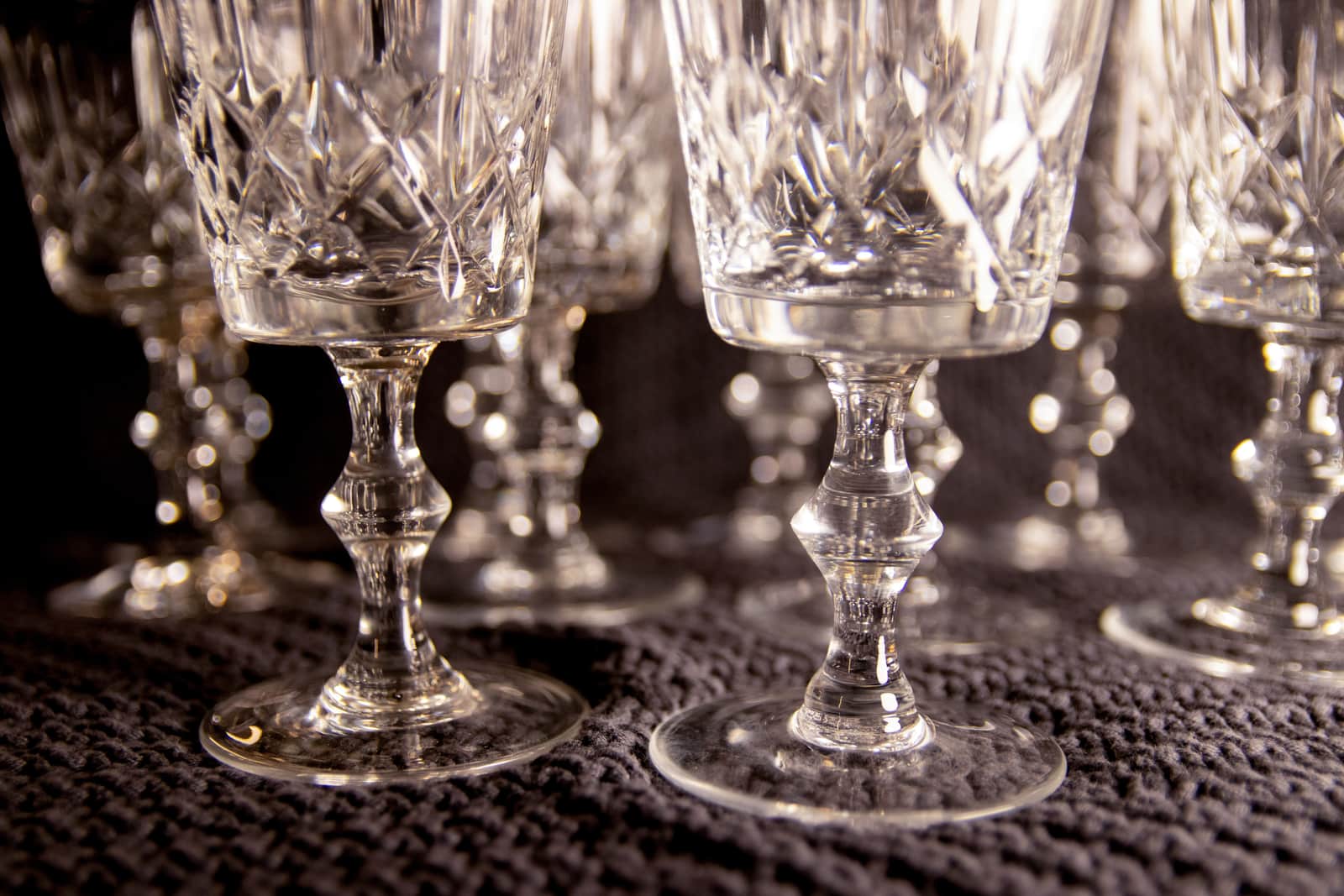
This question comes up a particular way: someone has inherited a heavy cut-glass decanter, it looks valuable, and they want to know before they either use it or sell it. The honest answer is usually deflating, and it is worth knowing why rather than just being told.
Why most of them are worth little
Cut glass decanters were a standard wedding and retirement gift for most of the twentieth century, which means they were made in enormous numbers and they last essentially forever. Supply is vast, the people who wanted them are the generation now downsizing, and demand for formal glassware has fallen. That combination puts a floor under almost nothing.
A decanter also has to survive intact in a very specific way to keep its value, and most have not. Which brings us to the single biggest factor.
The stopper decides most of it
Ground glass stoppers are fitted individually - the stopper and the neck are ground against each other until they mate, which is why a stopper from one decanter will not seat properly in another, even an identical model from the same maker.
So a decanter that has lost its stopper cannot simply be completed. It is a vase. That single fact removes most of the value from a very large share of inherited pieces, and it is the first thing anyone assessing one will check.
A stopper that is present but does not sit flush, rocks, or sits noticeably high is usually a replacement from another piece - better than nothing, worth less than a matched original.
What does carry value
- A named crystal house with a legible mark. An acid-etched or engraved maker's mark on the base is the difference between a known piece and anonymous cut glass. Look at the base in raking light - marks are often faint.
- A recognized pattern. Established houses name their patterns, and collectors buy patterns rather than shapes. A pattern name plus a maker turns a guess into a comparable.
- Completeness. The matched original stopper, and where the piece was sold as part of a set, the rest of the set.
- Condition. No chips to the rim or foot, no cracks, and critically no interior clouding.
- Genuine age plus rarity. Actual antiquity, or a documented limited production - not merely being old-fashioned.
What kills value
- Interior clouding. The white haze inside old decanters is etching from water left standing, and it is permanent. It cannot be polished out. It is extremely common because the shape makes decanters almost impossible to dry.
- Chips. Rim and foot chips are the usual damage and both are visible immediately.
- A mismatched or missing stopper. As above - the biggest single factor.
- Anonymous cut glass. No mark, no pattern, no maker means it competes with every other unmarked decanter, and there are a great many of those.
How to check what you have
- Look at the base under a strong raking light for an etched or acid-stamped mark. Photograph it rather than trying to read it directly - a phone camera plus zoom beats the naked eye on faint marks.
- Check the stopper seats flush and turns smoothly. Note whether the stopper and neck carry matching numbers, which some makers used.
- Run a finger round the rim and foot for chips you cannot see.
- Hold it up to light to check for interior haze.
- Search completed sale listings, not asking prices. What someone is asking tells you nothing; what pieces actually sold for tells you the market.
If the answer is that it is worth using rather than selling
That is the usual outcome, and it is a good one - a heavy old decanter is a genuinely nice object regardless of what it would fetch. Keep it for serving over an evening rather than storage, dry it inverted on a rack so it never develops the interior haze that ruined the last generation of them, and if you want something you can leave a bottle in indefinitely, buy a modern piece with a published lead-free specification from the decanter hub.
For whether a decanter earns its place at all, are decanters worth it is the buying-side version of this question, and decanter vs bottle covers where your whiskey should actually live.
Common questions
Are old crystal decanters worth anything?
Most are worth modest amounts, often less than a comparable new decanter. Cut glass was mass produced for decades and supply is enormous. Value concentrates in marked pieces from named crystal houses, in recognized patterns, and in complete undamaged examples.
Does a missing stopper matter?
Enormously. Ground glass stoppers are fitted individually to their own decanter, so a lost stopper cannot be replaced with a matching one. A decanter without its original stopper loses most of its value.
How do I identify a decanter maker?
Look at the base under strong raking light for an acid-etched or engraved mark, and photograph it zoomed rather than reading it directly. Some makers also numbered the stopper and neck to match.
Can you remove the cloudiness inside an old decanter?
No. Interior clouding is etching caused by water standing in the vessel, and it is permanent damage to the glass surface rather than a deposit. Preventing it is possible - drying inverted on a rack - but reversing it is not.
Is it safe to use an old lead crystal decanter?
For serving over an evening, the exposure is very different from storage. What you should not do is keep spirits in it for months, which is exactly what inherited decanters tend to get used for. Published research measured lead in port rising more than fortyfold over four months in crystal decanters.
Sources
- Graziano JH, Blum C. Lead exposure from lead crystal. The Lancet, 19 January 1991 (PMID 1670790) - retrieved 2026-09-02
- The Gentleman's Journal - The best whisky decanters for modern men's home bars - retrieved 2026-09-02
Why there is nothing to buy on this page: Someone asking what their inherited decanter is worth is not shopping - putting buy buttons on that question would be answering something they did not ask. If the answer turns out to be that they want a new one, the decanter hub is one click away.
Read next
Whiskey decanters: which ones are worth it
Ranked decanters with the capacity, material and closure each listing actually publishes - and an honest account of what a decanter is for.
Crystal whiskey decanters
Crystal decanters ranked, with the 1991 Lancet lead measurement that makes a published lead-free spec matter more than the cut.

Are whiskey decanters worth it?
Resolving the contradiction between the two biggest decanter articles online, with the lead-crystal research that neither of them mentions.
Decanter vs bottle
The bottle seals better; the decanter looks better. How long whiskey keeps in each, and the one case where decanting is a costly mistake.
Why are decanters so expensive?
The four things that drive decanter prices, what each actually buys you, and the point where more money stops helping.
What is a decanter?
The plain definition, the origin of the word, and the difference between what decanters do for wine and for spirits.