Why are decanters so expensive?
The gap between a thirty-dollar decanter and a three-hundred-dollar one is real. It is also almost entirely about manufacturing, not about the whiskey.
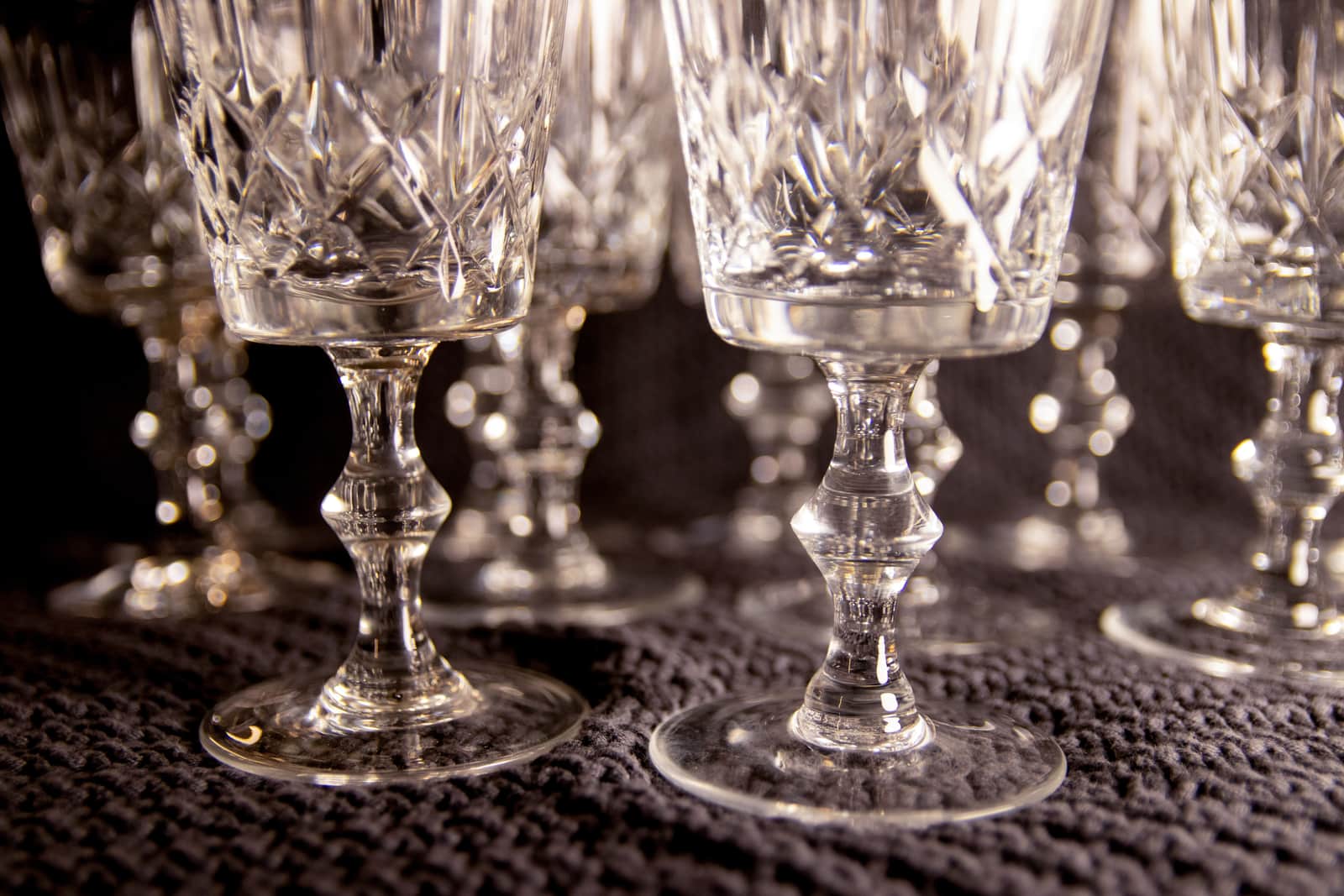
Decanters run from under ten dollars to well over a thousand for the same nominal function - holding a bottle of spirit. Here is where the money actually goes, in the order it matters.
1. Lead content
Traditional lead crystal contains lead oxide, typically 24 percent or more. Lead makes the glass denser, softer and higher in refractive index, which means it feels heavier in the hand, sparkles more under light, and - crucially for manufacturing - can be cut deeply and precisely without shattering. That is why the most elaborate cut patterns are historically on leaded pieces.
It also means lead migrates into whatever the decanter holds. Graziano and Blum measured port in crystal decanters going from 89 to 3,518 micrograms of lead per liter over four months. So the traditional material that justifies part of the price is also the one you should not use for storage - which is a genuinely awkward fact that decanter marketing does not raise. Lead-free crystal exists and performs well; it is simply harder to cut as deeply.
2. Hand-cutting
A deep-cut pattern is ground into the glass by a person against a wheel. It is slow, it takes years to learn, and a mistake ruins the piece at the last stage of manufacture rather than the first. That labor is the single largest cost difference between a pressed decanter and a cut one.
Machine-pressed patterns imitate the look at a fraction of the cost and are what most decanters under fifty dollars use. Held side by side the difference is visible - pressed patterns have softer edges and a mold seam. Whether that difference is worth several hundred dollars is a genuine question and the answer depends entirely on whether the recipient will notice.
3. The name
A decanter from an established glasshouse costs more partly because the house has something to lose. That is not nothing: a maker with a two-century reputation is under real pressure to reject flawed pieces, and consistency across a set is a manufacturing achievement rather than a given.
For a milestone gift the name is also the gift. A retirement present that carries a recognized maker's mark communicates something a generic decanter cannot, and pretending otherwise would be dishonest about why people buy them.
4. The stopper
Ground glass stoppers are fitted individually - the stopper and neck are ground against each other until they mate, which is why stoppers are not interchangeable. A well-fitted stopper seats flush, turns smoothly and does not rock. A poorly fitted one is loose, which means faster evaporation, or tight, which means it jams.
This is the one price-driven difference with a functional consequence for the whiskey, and it is also the one you cannot assess from a photograph.
Where the money stops buying anything
Nothing above changes the whiskey. Not the lead, not the cutting, not the maker's mark. A well-made lead-free decanter under fifty dollars holds a bottle exactly as well as one at ten times the price, and if it publishes its capacity and material you know more about it than you do about many expensive pieces.
So the honest guidance is: spend on the object if the object is the point - a milestone, a retirement, someone who will notice the cut. Otherwise buy on capacity, closure and a published lead-free specification, which is what our picks rank on. The reasoning behind that ranking is on how we pick.
Common questions
Why is lead crystal more expensive?
Lead oxide makes glass denser, softer and more refractive, so it feels heavier, sparkles more and can be cut deeply without shattering. That deep cutting is skilled hand labor, which is where most of the cost sits.
Is an expensive decanter better for whiskey?
No. Nothing about a decanter changes the spirit. A more expensive one is usually better made and better finished, and if it has a better-fitted stopper it will slow evaporation slightly more - which is the only functional advantage money buys here.
Is lead-free crystal worse than lead crystal?
Different rather than worse. Lead-free crystal is harder, which makes deep cutting more difficult, so the most elaborate patterns tend to be leaded. For holding whiskey, lead-free is the better choice and it is the one we rank higher.
What is a reasonable amount to spend on a decanter?
Under fifty dollars buys a well-made vessel that publishes its capacity and often its material. Above a hundred you are buying hand-cutting, a maker's name and provenance - real things, none of which affect the whiskey.
Sources
- Graziano JH, Blum C. Lead exposure from lead crystal. The Lancet, 19 January 1991 (PMID 1670790) - retrieved 2026-09-02
- The Gentleman's Journal - The best whisky decanters for modern men's home bars - retrieved 2026-09-02
Why there is nothing to buy on this page: This explains pricing rather than making a recommendation - a buy button here would be arguing for a particular answer. The ranked decanters across every price point are on the decanter hub.
Read next
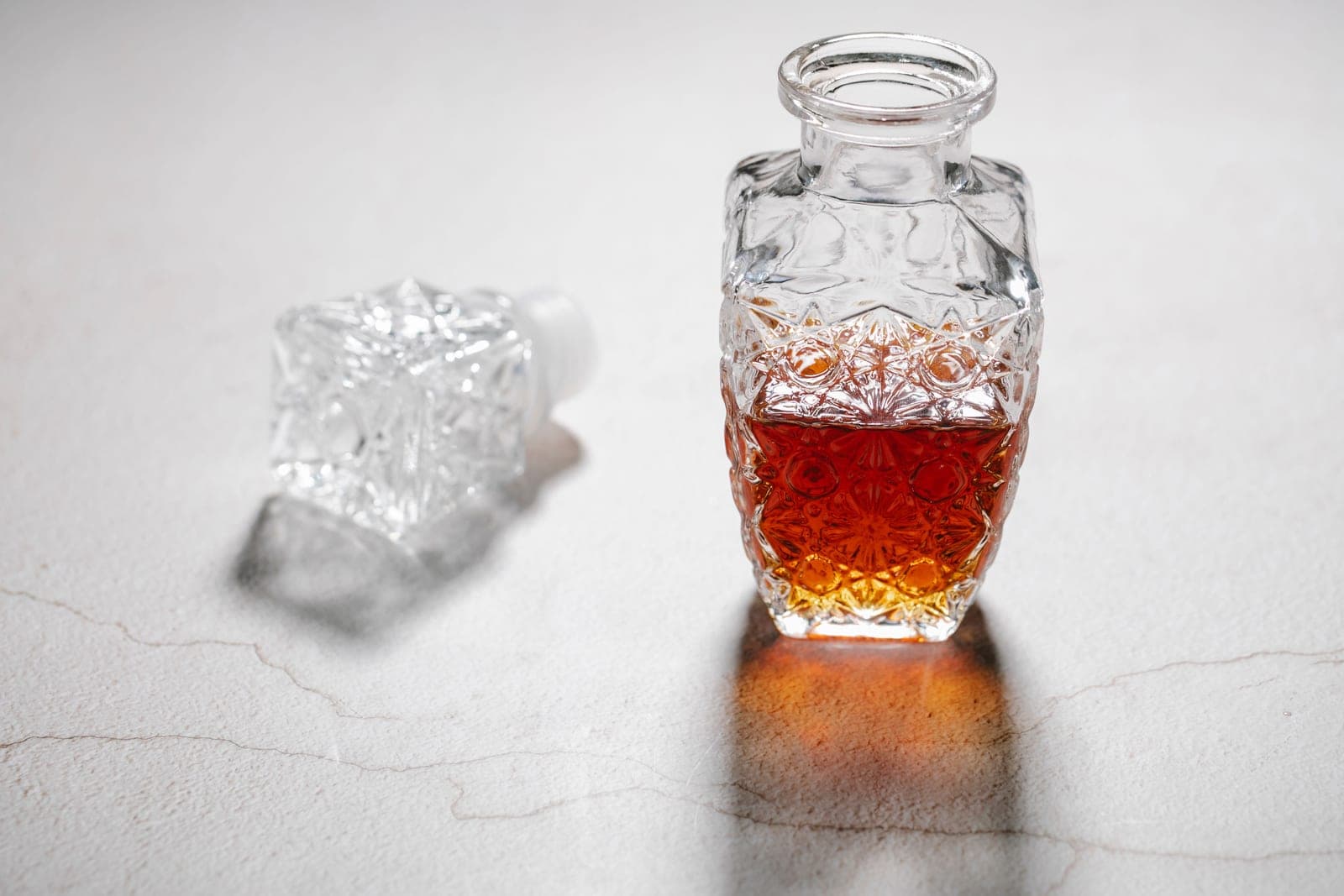
Whiskey decanters: which ones are worth it
Ranked decanters with the capacity, material and closure each listing actually publishes - and an honest account of what a decanter is for.
Crystal whiskey decanters
Crystal decanters ranked, with the 1991 Lancet lead measurement that makes a published lead-free spec matter more than the cut.
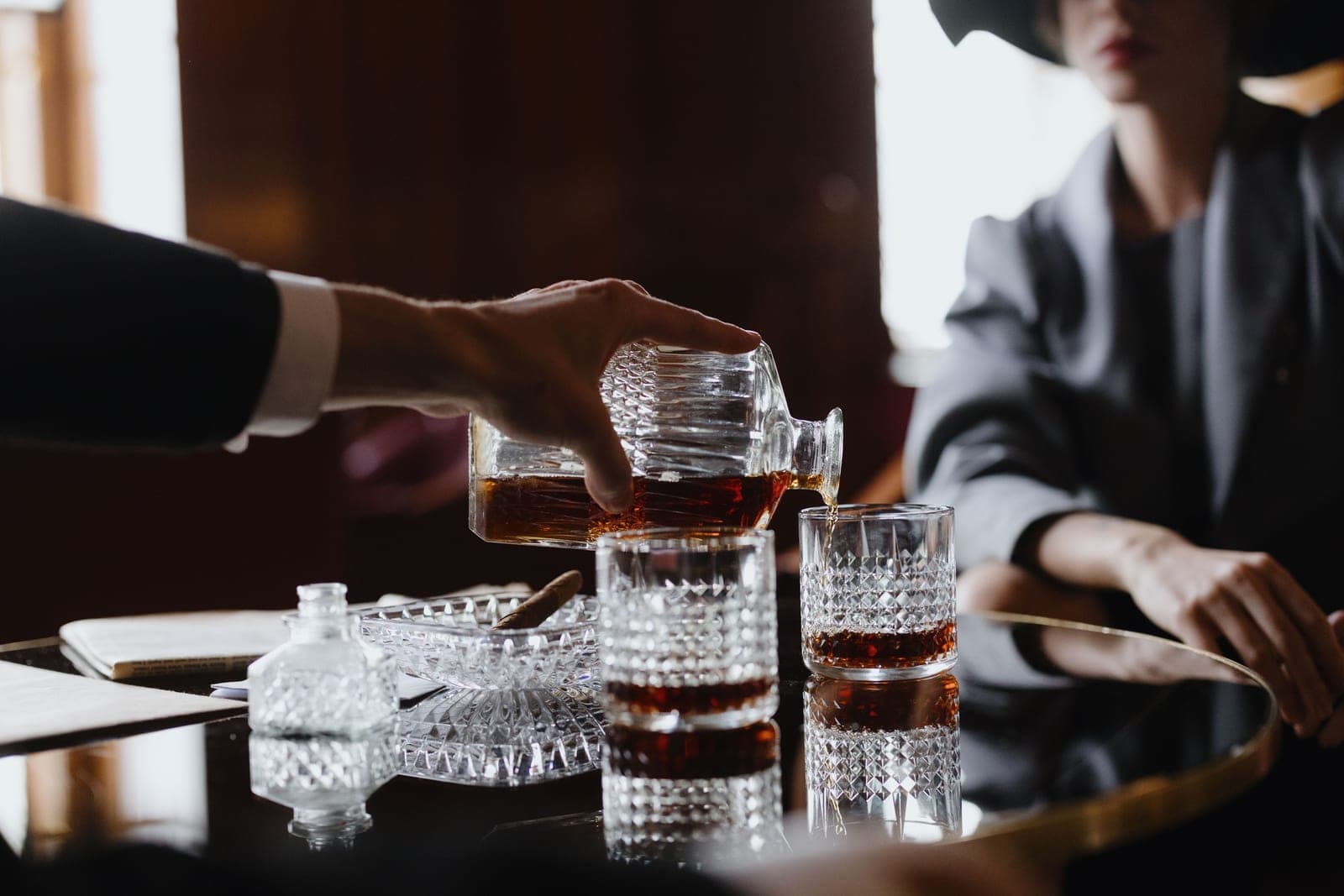
Are whiskey decanters worth it?
Resolving the contradiction between the two biggest decanter articles online, with the lead-crystal research that neither of them mentions.
What is a decanter?
The plain definition, the origin of the word, and the difference between what decanters do for wine and for spirits.
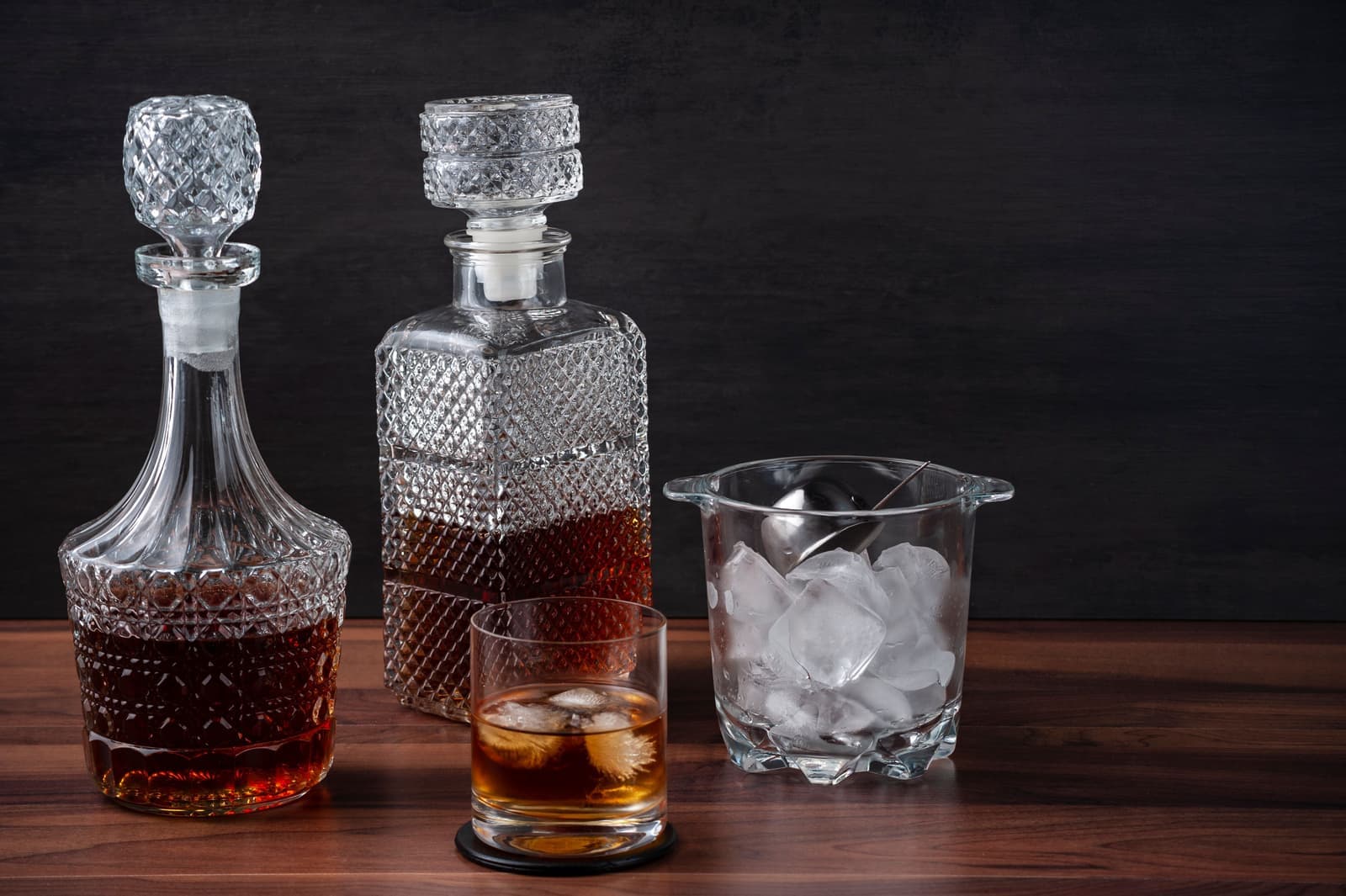
Whiskey gifts under $100
Under-$100 picks - boxed decanter sets, crystal, premium smoker kits and the aging barrel.