How to clean a whiskey decanter
A decanter is a wide vessel with a narrow neck, which is a lovely shape for pouring and a hostile one for cleaning - so almost everybody gets a cloudy one eventually.
We have not tested these products and we do not pretend to have. Here is what we did instead. Links to Amazon earn us a commission at no extra cost to you, and commission never decides what is on this page - disclosure.

| # | Gift | Best for | The catch | Price |
|---|---|---|---|---|
| 1 | 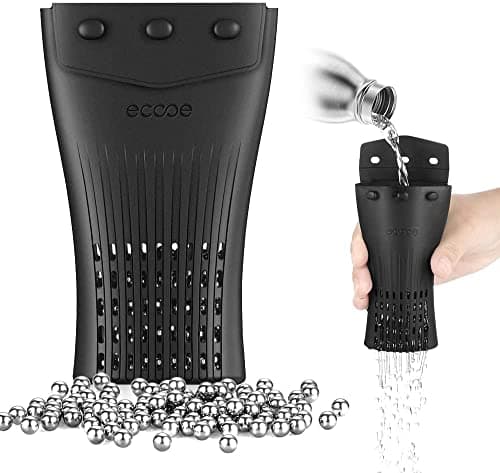 ecooe Decanter Cleaning Beads, 1200 pieces with filter bagTop pick1200 stainless beads at 2 to 3 mm with a silicone filter sleeve, so getting them back out of the decanter is not its own chore. | The set that solves the draining problem too | Beads cannot reach a stain they cannot touch, so a ring baked onto the shoulder of a decanter may need soaking first - the listing says as much. And a loose bead left in a decanter and then poured into a glass is an unpleasant surprise, so count them back in. | |
| 2 | 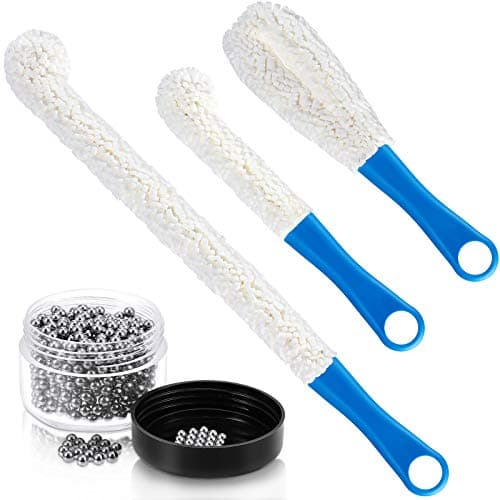 Boao Decanter Cleaning Brushes and 400 BeadsThree flexible brushes at roughly 16.5, 10.2 and 10 inches, plus 400 beads - the combination that covers both the wide base and the narrow neck. | Reaching what beads cannot | Foam brush heads wear out and hold water, so they need drying between uses or they go musty. Four hundred beads is also a thin quantity for a large decanter - enough to scrub, not enough to fill. | |
| 3 | 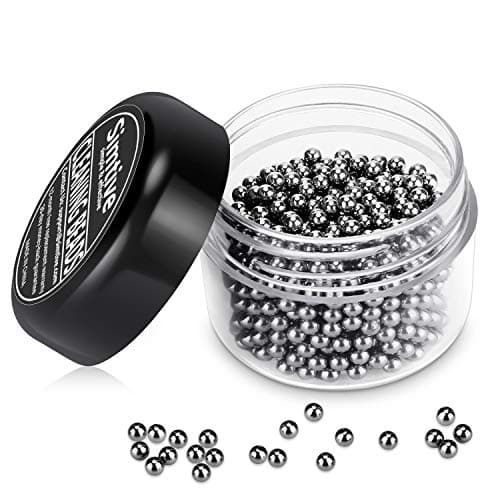 Simtive Decanter Cleaning Beads, 1000 pieces1000 beads of 304 stainless at 3 mm, with a stated two-minute swirl and nothing else to it. | The cheapest way to try the method | No filter bag, so retrieving a thousand small beads from a narrow-necked decanter is a job you will do over a mesh strainer and probably the sink. Slightly larger beads at 3 mm also reach into fine detail less well than the 2 mm sets. | |
| 4 | 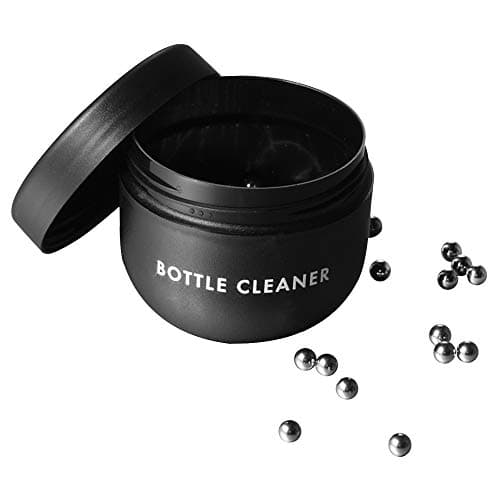 Riedel Decanter Cleaner Steel BeadsSteel beads from a decanter maker, sold with the unusual honesty of naming the decanters they should not be used in. | A glassmaker's own answer, with a warning attached | It costs roughly twice the generic sets for a smaller quantity and no filter bag, and it is the one product here flagged as low stock when we checked. The bead count is not published either. |
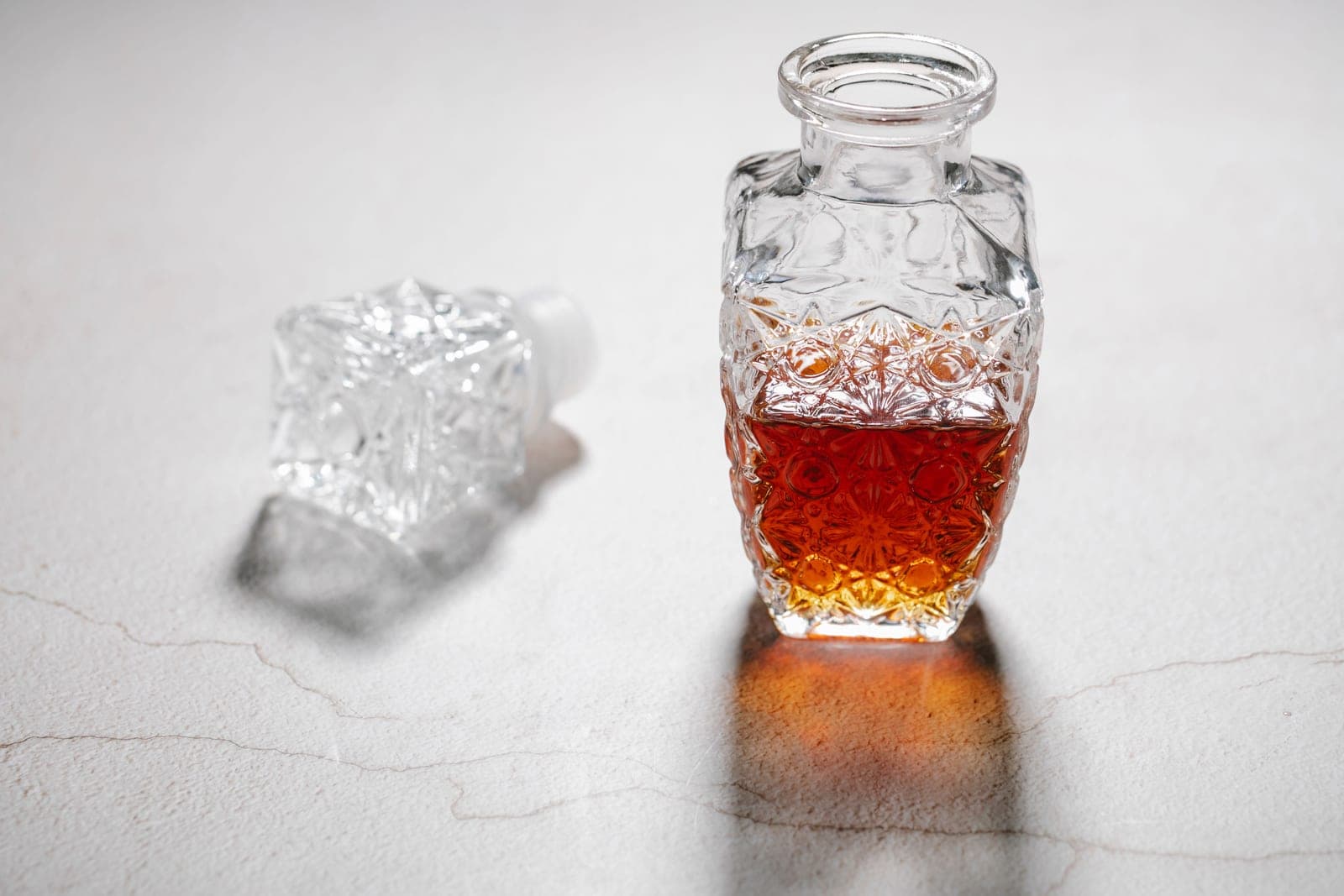
The decanter hub argues that a decanter is bought for how it looks. That makes cleaning it a bigger deal than it sounds: a cloudy decanter has lost the only thing it was for.
The shape is the problem. Wide base, narrow neck, no way to get a hand or a normal brush to the inside of the curve - and whiskey leaves an oily film that water alone does not shift. Two products solve most of it, and one common household fix quietly ruins glass.
First, work out what you are looking at
A film or a ring. Residue from the spirit, or a tide line where the level sat for months. This comes off. It is what beads and brushes are for.
Water spots. Mineral deposits from drying with water still inside. These come off with a mild acid - white vinegar or lemon juice, which the ecooe listing itself suggests alongside detergent.
A permanent haze that survives everything. This is etching: the glass surface itself has been damaged, usually by a dishwasher or by hard water sitting for years. No product on this page fixes it, and anything sold as fixing it is selling you a polish that masks it briefly. It is the single best argument for never putting a decanter in a dishwasher.
The method
- Rinse with warm - not hot - water. Sudden temperature change stresses glass, and crystal more than most.
- Add a drop of dish soap and a handful of beads. Enough water to cover the base; the beads need room to move.
- Swirl for a couple of minutes. The listings quote two minutes and that is about right. The beads scrub the inner wall as they tumble.
- For a stubborn ring, let it soak first. Beads cannot shift something that has hardened - soaking does the work and the beads finish it.
- Strain the beads out over a mesh sieve, or into the filter bag if your set has one. Count them back in.
- Rinse thoroughly, then invert to dry. A decanter drying stand does this properly; a folded tea towel on a draining board does it well enough.
What not to do
- No dishwasher. Heat, harsh detergent and hard water are what cause permanent etching. This is the mistake that cannot be undone.
- No rice, sand or eggshells. The old internet fix. Rice is angular and hard enough to scratch, and scratches in glass hold residue and look like cloudiness forever. Stainless beads are round and smooth for exactly this reason - both bead listings here say so explicitly.
- No bleach. It does nothing for an oily film, and rinsing it out of a narrow-necked vessel completely is harder than it sounds.
- No abrasive pad on the inside. Same reason as the rice.
- Do not store it stoppered and damp. See above - it is the most common cause of the problem people are trying to solve.
When the stopper is stuck
A ground-glass stopper seizes when residue dries in the joint, and the fix is patience rather than force. Warm the neck gently - a cloth soaked in warm water wrapped around it - so the glass expands slightly, and twist rather than pull. A drop of oil at the joint helps. What breaks decanters is somebody levering a stopper with a cloth for grip and snapping the neck.
Once it is out, wash the joint itself. That is where the residue lives, and a stopper that has seized once will seize again if the joint stays dirty.
How we judged these
- Round, smooth beads in a named steel grade. 304 and 18/10 are specifications; unspecified metal is not, and rust in a decanter is worse than the stain you started with.
- Is retrieval solved? A filter bag is the difference between a two-minute job and picking beads out of a sink trap.
- Bead size. 2 to 3 mm reaches detail that larger beads skip.
- Does it reach the neck? Beads clean the body. Only a brush cleans the shoulder, the neck and the stopper joint.
- Does the maker admit limits? The one listing here that names decanter shapes its beads must NOT be used in is the most trustworthy thing on the page.
If it is beyond saving
A permanently etched decanter is still a decanter - it holds and pours exactly as well as it did. It has simply stopped being decorative, which for most people is the entire point of owning one. At that stage it is worth deciding honestly whether to replace it or stop using it, rather than buying a third cleaning product.
If you are replacing it, the decanter hub ranks the field, crystal decanters covers the lead question, and novelty decanters covers the shapes that are hardest to clean - worth reading before you buy another narrow-necked skull.
| Product | Capacity | Material | In the box | Care |
|---|---|---|---|---|
| ecooe Decanter Cleaning Beads, 1200 pieces with filter bag | not published | 18/10 stainless steel, 2 to 3 mm beads | 1200 cleaning beads, silicone filter bag | Rinse and dry before storing |
| Boao Decanter Cleaning Brushes and 400 Beads | not published | Foam brush heads, stainless steel beads | 3 brushes (16.55, 10.05 and 10.24 inches), 400 cleaning beads | not published |
| Simtive Decanter Cleaning Beads, 1000 pieces | not published | 304 stainless steel, 3 mm beads | 1000 cleaning beads | Rinse and dry before storing |
| Riedel Decanter Cleaner Steel Beads | not published | Stainless steel beads | Steel cleaning beads | Rinse, dry and store correctly for repeat use |
Every figure is the maker’s own, read from its listing on 2026-09-02. Where a cell says not published, that specification is genuinely absent - we do not estimate one. How we pick.
The picks
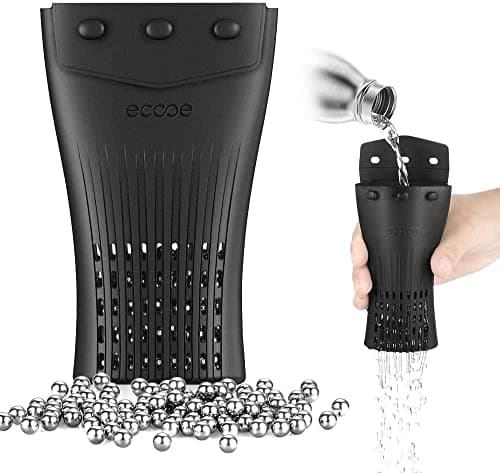
Top pick - The set that solves the draining problem too
ecooe Decanter Cleaning Beads, 1200 pieces with filter bag
1200 stainless beads at 2 to 3 mm with a silicone filter sleeve, so getting them back out of the decanter is not its own chore.
Beads clean a decanter by scrubbing the inside as you swirl them, and the part nobody warns you about is retrieving them afterward. The included filter sleeve is what makes this the set to buy: pour everything in, rinse, done. 18/10 stainless does not rust, and the listing is explicit that the beads are round and smooth so they do not scratch.
What the listing publishes
- Capacity
- not published
- Material
- 18/10 stainless steel, 2 to 3 mm beads
- In the box
- 1200 cleaning beads, silicone filter bag
- Closure
- not published
- Care
- Rinse and dry before storing
Read from the Amazon product listing on 2026-09-21. Where a row says not published, that specification is genuinely absent from the listing - we do not estimate one. How we work.
The catch: Beads cannot reach a stain they cannot touch, so a ring baked onto the shoulder of a decanter may need soaking first - the listing says as much. And a loose bead left in a decanter and then poured into a glass is an unpleasant surprise, so count them back in.
#ad · how this is funded · price as of October 15, 2026
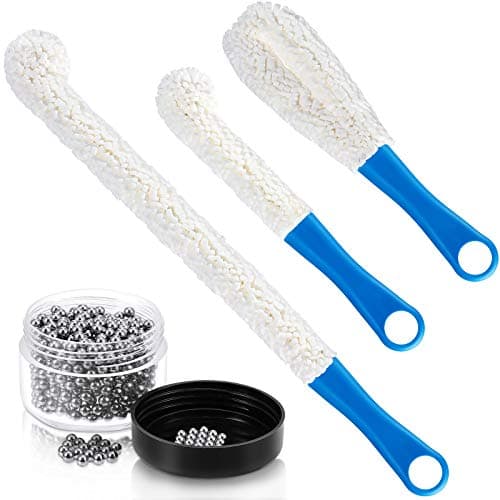
Pick 2 - Reaching what beads cannot
Boao Decanter Cleaning Brushes and 400 Beads
Three flexible brushes at roughly 16.5, 10.2 and 10 inches, plus 400 beads - the combination that covers both the wide base and the narrow neck.
Beads are for the body of a decanter; a brush is for the shoulder, the neck and the stopper, which is where residue actually collects. Having all three lengths means one of them will reach whatever shape you own, and the beads are included so this can be the only purchase you make.
What the listing publishes
- Capacity
- not published
- Material
- Foam brush heads, stainless steel beads
- In the box
- 3 brushes (16.55, 10.05 and 10.24 inches), 400 cleaning beads
- Closure
- not published
- Care
- not published
Read from the Amazon product listing on 2026-09-21. Where a row says not published, that specification is genuinely absent from the listing - we do not estimate one. How we work.
The catch: Foam brush heads wear out and hold water, so they need drying between uses or they go musty. Four hundred beads is also a thin quantity for a large decanter - enough to scrub, not enough to fill.
#ad · how this is funded · price as of October 15, 2026
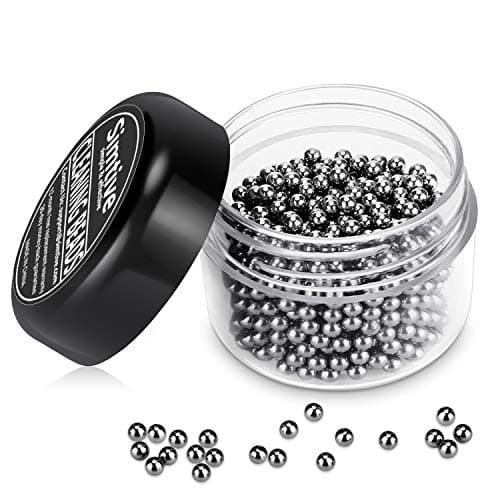
Pick 3 - The cheapest way to try the method
Simtive Decanter Cleaning Beads, 1000 pieces
1000 beads of 304 stainless at 3 mm, with a stated two-minute swirl and nothing else to it.
If you have never used beads, this is the low-risk way to find out whether they suit your decanter. The instruction is refreshingly plain - water, dish soap, rotate for two minutes - and 304 stainless is the grade that does not rust in a drawer.
What the listing publishes
- Capacity
- not published
- Material
- 304 stainless steel, 3 mm beads
- In the box
- 1000 cleaning beads
- Closure
- not published
- Care
- Rinse and dry before storing
Read from the Amazon product listing on 2026-09-21. Where a row says not published, that specification is genuinely absent from the listing - we do not estimate one. How we work.
The catch: No filter bag, so retrieving a thousand small beads from a narrow-necked decanter is a job you will do over a mesh strainer and probably the sink. Slightly larger beads at 3 mm also reach into fine detail less well than the 2 mm sets.
#ad · how this is funded · price as of October 15, 2026
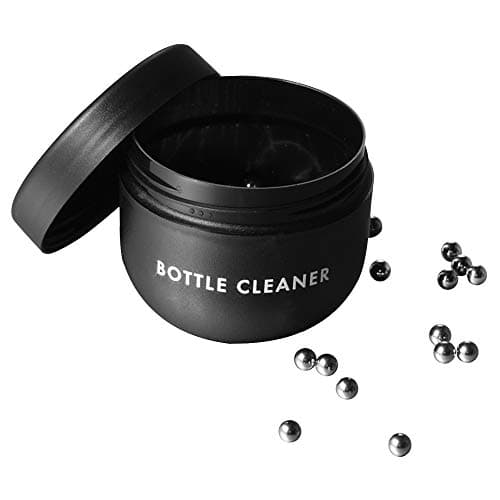
Pick 4 - A glassmaker's own answer, with a warning attached
Riedel Decanter Cleaner Steel Beads
Steel beads from a decanter maker, sold with the unusual honesty of naming the decanters they should not be used in.
Riedel makes the glass, so it has a reason to care whether the cleaning method damages it - and it is the only listing here that names specific shapes the beads cannot be used in, which tells you the caution is real rather than boilerplate. The instruction is the same as the cheaper sets: fill, add beads, swirl, strain, dry.
What the listing publishes
- Capacity
- not published
- Material
- Stainless steel beads
- In the box
- Steel cleaning beads
- Closure
- not published
- Care
- Rinse, dry and store correctly for repeat use
Read from the Amazon product listing on 2026-09-21. Where a row says not published, that specification is genuinely absent from the listing - we do not estimate one. How we work.
The catch: It costs roughly twice the generic sets for a smaller quantity and no filter bag, and it is the one product here flagged as low stock when we checked. The bead count is not published either.
#ad · how this is funded · price as of October 15, 2026
Related
For whether a decanter earns its place at all, are decanters worth it. For the lead question on crystal, crystal decanters. For why you should not store whiskey in one, storing whiskey. For the shapes that make cleaning hardest, novelty decanters.
Common questions
How do you clean a whiskey decanter?
Warm water, a drop of dish soap and stainless cleaning beads, swirled for a couple of minutes, then strained out and the decanter rinsed and left upside down to dry. Soak a hardened ring before you start.
Why is my decanter cloudy?
Usually residue or mineral deposits, which come off with beads and a mild acid like white vinegar. If a haze survives every method it is probably etching - permanent damage to the glass surface, most often caused by a dishwasher.
Can you put a decanter in the dishwasher?
No. Heat, harsh detergent and hard water are what cause permanent etching, and etched glass cannot be restored. Hand wash, always.
Can you clean a decanter with rice?
You can, and we would not. Rice grains are angular and can scratch the inside, and scratches hold residue and read as permanent cloudiness. Stainless cleaning beads are round and smooth specifically to avoid that.
How do you dry a decanter properly?
Invert it so water drains rather than pooling, and leave it until it is completely dry inside. A decanter drying stand holds it upside down at an angle; a folded towel on a draining board works too. Store it with the stopper out.
How do you get a stuck decanter stopper out?
Warm the neck gently with a warm damp cloth so the glass expands, then twist rather than pull. Do not lever it. Wash the ground-glass joint afterward, because a stopper that seized once will seize again if the joint stays dirty.
Sources
- The Gentleman's Journal - The best whisky decanters for modern men's home bars - retrieved 2026-09-02
- Chowhound - How To Choose The Best Whiskey Decanter (And Why You Don't Need One) - retrieved 2026-09-02
- Graziano JH, Blum C. Lead exposure from lead crystal. The Lancet, 19 January 1991 (PMID 1670790) - retrieved 2026-09-02
Read next
Whiskey decanters: which ones are worth it
Ranked decanters with the capacity, material and closure each listing actually publishes - and an honest account of what a decanter is for.
Are whiskey decanters worth it?
Resolving the contradiction between the two biggest decanter articles online, with the lead-crystal research that neither of them mentions.
Crystal whiskey decanters
Crystal decanters ranked, with the 1991 Lancet lead measurement that makes a published lead-free spec matter more than the cut.
Novelty whiskey decanters: skull, globe and ship
Skull, globe, ship and barrel decanters ranked - plus the seal, the cleaning and the lead questions that decide whether you can actually keep whiskey in one.

Does whiskey go bad? How to store an open bottle
Why an open bottle dulls rather than spoils, the six-to-twelve-month window, and the cheap fixes that actually address it.
Whiskey decanter sets
Boxed decanter sets ranked on capacity, glass count and what the listing actually discloses.