Does whiskey go bad? How to store an open bottle
The short answer is no, and the useful answer is more interesting: an opened bottle does not spoil, it fades - and what fades it is the air you let in every time you pour.
We have not tested these products and we do not pretend to have. Here is what we did instead. Links to Amazon earn us a commission at no extra cost to you, and commission never decides what is on this page - disclosure.
| # | Gift | Best for | The catch | Price |
|---|---|---|---|---|
| 1 | 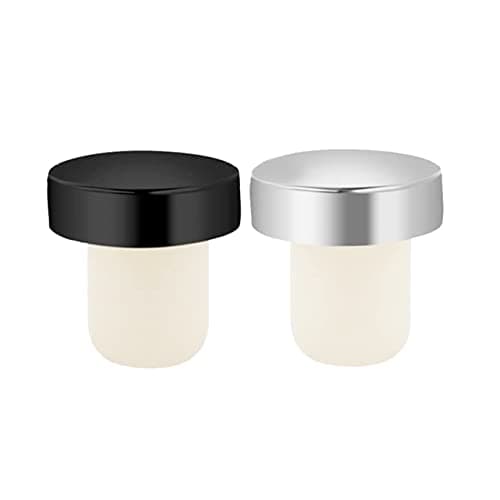 Oggi T-Shaped Reusable Corks, 2-piece setTop pickTwo low-profile T-corks sized for 375, 500 and 750 ml bottles, for about the price of a coffee. | The cheapest thing on this page that works | Two corks is two bottles, and at this price you will want more. A cork is also a friction fit rather than an airtight seal, so it slows evaporation without stopping it - and it does nothing about headspace. | |
| 2 | 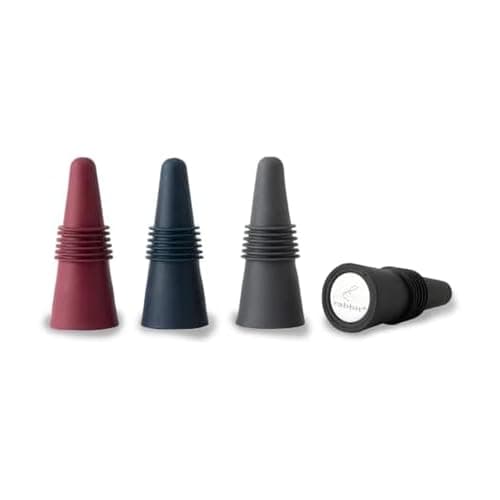 Rabbit Bottle Stoppers, set of 4Food-grade silicone and stainless steel, dishwasher safe, four to a pack - the cheapest fix for the one part of a whiskey bottle that actually fails. | Replacing a cork that no longer seals | They are sold for wine and shaped for wine necks, so on an unusually wide spirits bottle the fit can be loose - check the neck before assuming. They also do nothing about the air already inside the bottle, which is the larger problem once a bottle is half gone. | |
| 3 | 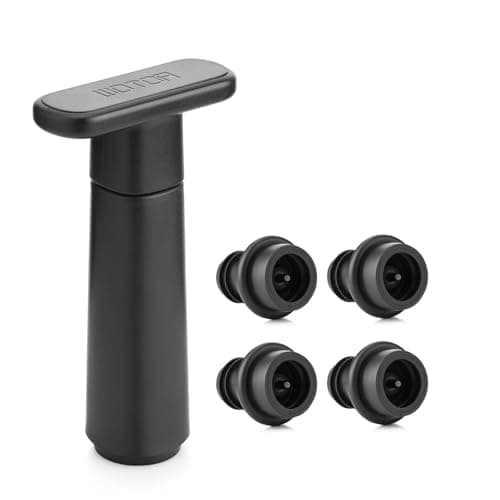 WOTOR Wine Vacuum Pump with 4 stoppersA hand pump and four reusable stoppers that evacuate the headspace - the standard answer to oxidation, borrowed from wine. | Pulling the air out, if you believe in it | Every claim on this listing is about wine - it states wine stays fresh up to ten days, a figure with no bearing on a spirit at 40 percent ABV, and we have seen no measurement of what vacuum does for whiskey specifically. Treat it as a better seal rather than a proven preservation method. Decanting into a smaller bottle removes headspace outright and costs nothing. |
This is the question people actually ask about whiskey storage, and most answers get the emphasis wrong. Whiskey is a high-proof distilled spirit. It does not grow anything, it does not sour, and a bottle that has sat in a cupboard for a decade is not dangerous. Whisky Advocate puts it plainly: whisky should stay bright for six to twelve months after opening, and *it is still safe and drinkable long after that*.
So the real question is not whether it goes off. It is why the bottle you opened last winter tastes flatter than you remember - and that has a specific, fixable cause.
What actually changes: headspace
Every time you pour, whiskey leaves the bottle and air replaces it. That volume of air above the liquid is the headspace, and it is where the damage happens. Whisky Advocate's phrasing is the one worth remembering: *depending on the size of the headspace, oxygenation will slowly sap the vitality and character out of the flavors*.
The consequence is the bit people miss. A bottle with two fingers left in it has an enormous headspace relative to the whiskey, so it changes far faster than a full one. The last quarter of a bottle ages more in a month than the first three quarters did in a year. If you have a bottle you are saving, saving the last of it is the worst way to treat it.
Upright, not on its side
This is where wine habits do real harm. Wine is stored on its side so the cork stays moist and does not dry out. Whisky Advocate is direct about the opposite being true for spirits: *fine wines are usually stored on their side to keep the corks moist, while whisky is stored upright to keep the corks dry*.
The reason is the proof. A spirit at 40 percent and above sitting against a cork for months attacks it, and the article names the outcomes - leakage, flavor taints, and cork failures. A whiskey bottle laid down on a wine rack is a bottle being slowly ruined by its own closure. Stand it up.
Light, heat and the cupboard test
- Direct sunlight. Whisky Advocate notes that sustained exposure bleaches the inks in labels and could affect the whisky's color. A sunny shelf is the worst place in the room for a bottle you care about.
- Temperature swings. The same source is blunt that natural or environmental temperature fluctuations are not your friend. A stable cupboard beats a handsome spot by a radiator or a window.
- Humidity extremes. Garages, uninsulated attics and cellars damage labels, which matters if the bottle is ever going to be worth something to somebody.
- Not the fridge. Cold suppresses the aromatics you opened the bottle for, which is the same reason we are lukewarm on chilling generally - see whiskey stones vs ice.
What a decanter does not do
Worth saying here because this is the page where the question comes up. Decanting whiskey does not preserve it. A decanter is a wide vessel with a friction-fit stopper, which means more surface area and a worse seal than the bottle it came from - the opposite of what storage wants.
There is a second reason not to use one for long-term storage, and it is the serious one: lead. Crystal decanters covers the measurement in full. Buy a decanter because you like how it looks and how pouring from it feels, which is the honest case we make for them everywhere - just do not buy one to keep whiskey in.
How we judged these
- Does it seal against the glass, or rely on the original cork? The cork is the part that fails first on a bottle that gets opened weekly.
- Does it address headspace, or only the opening? Sealing the top slows the exchange; it does not remove the air already inside.
- Are the materials stated food-safe? These sit in contact with a high-proof spirit indefinitely.
- Does it fit a spirits bottle? Almost everything in this category is designed and sized for wine, and we say so where it matters.
- Are the claims about wine or about whiskey? Preservation figures quoted for wine do not transfer to a spirit at 40 percent ABV, and we have marked where a listing does that.
So when should you worry?
Practically: if a bottle has been open more than a year and is below half, drink it rather than save it. It is not spoiled and it will not hurt you - it is simply past the window where it tastes like the thing you bought. If you have a bottle you genuinely want to keep for a decade, keep it sealed, upright, dark and stable, and accept that once it is opened the clock starts.
And if the problem is that you have more open bottles than you can finish, that is the actual fix. Fewer bottles open at once beats any stopper on this page.
| Product | Capacity | Material | In the box | Care |
|---|---|---|---|---|
| Oggi T-Shaped Reusable Corks, 2-piece set | not published | Cork with plastic top | 2 corks | not published |
| Rabbit Bottle Stoppers, set of 4 | not published | Food-grade silicone and stainless steel | 4 stoppers | Dishwasher safe |
| WOTOR Wine Vacuum Pump with 4 stoppers | not published | Plastic pump with reusable stoppers | 1 vacuum pump, 4 stoppers | not published |
Every figure is the maker’s own, read from its listing on 2026-09-02. Where a cell says not published, that specification is genuinely absent - we do not estimate one. How we pick.
The picks
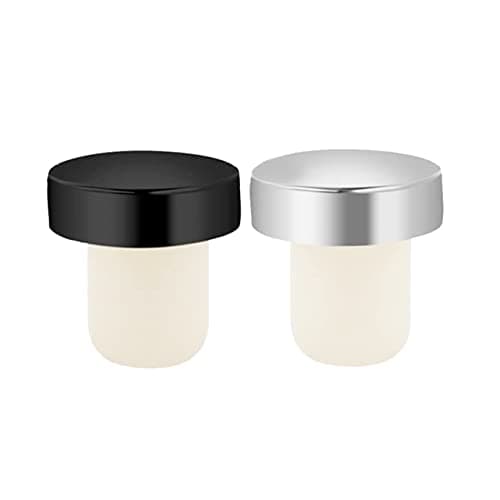
Top pick - The cheapest thing on this page that works
Oggi T-Shaped Reusable Corks, 2-piece set
Two low-profile T-corks sized for 375, 500 and 750 ml bottles, for about the price of a coffee.
A T-cork is what a distillery would have used, and it is the most honest object here: no claims, no mechanism, just a stopper that seals and is easy to pull one-handed. The listing publishes the bottle sizes it fits, which is the only specification that matters.
What the listing publishes
- Capacity
- not published
- Material
- Cork with plastic top
- In the box
- 2 corks
- Closure
- T-shaped cork
- Care
- not published
Read from the Amazon product listing on 2026-09-21. Where a row says not published, that specification is genuinely absent from the listing - we do not estimate one. How we work.
The catch: Two corks is two bottles, and at this price you will want more. A cork is also a friction fit rather than an airtight seal, so it slows evaporation without stopping it - and it does nothing about headspace.
#ad · how this is funded · price as of October 15, 2026
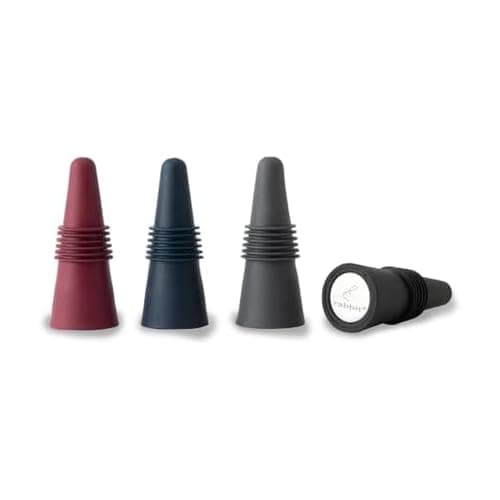
Pick 2 - Replacing a cork that no longer seals
Rabbit Bottle Stoppers, set of 4
Food-grade silicone and stainless steel, dishwasher safe, four to a pack - the cheapest fix for the one part of a whiskey bottle that actually fails.
The cork in a whiskey bottle is the weak point: it dries, it crumbles, and on a bottle that gets opened weekly it stops sealing long before the whiskey is finished. These seal against the glass rather than relying on the original cork, and the listing states food-grade materials that will not change the flavor. Four means every open bottle on the shelf gets one.
What the listing publishes
- Capacity
- not published
- Material
- Food-grade silicone and stainless steel
- In the box
- 4 stoppers
- Closure
- Silicone grip seal
- Care
- Dishwasher safe
Read from the Amazon product listing on 2026-09-21. Where a row says not published, that specification is genuinely absent from the listing - we do not estimate one. How we work.
The catch: They are sold for wine and shaped for wine necks, so on an unusually wide spirits bottle the fit can be loose - check the neck before assuming. They also do nothing about the air already inside the bottle, which is the larger problem once a bottle is half gone.
#ad · how this is funded · price as of October 15, 2026
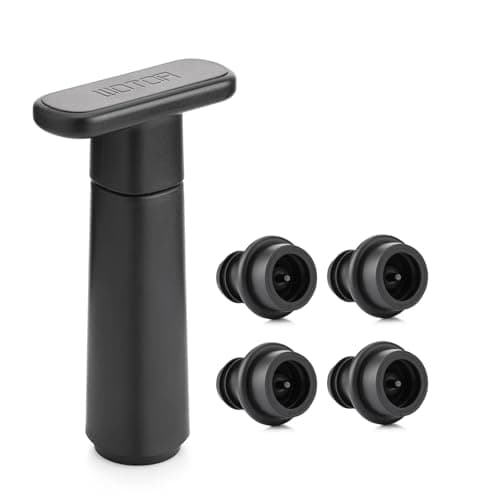
Pick 3 - Pulling the air out, if you believe in it
WOTOR Wine Vacuum Pump with 4 stoppers
A hand pump and four reusable stoppers that evacuate the headspace - the standard answer to oxidation, borrowed from wine.
Headspace is the mechanism that dulls an opened bottle, so removing the air is at least aimed at the right target. The pump is simple, there is nothing to power, and four stoppers cover a shelf. At this price it costs less than a single decent pour.
What the listing publishes
- Capacity
- not published
- Material
- Plastic pump with reusable stoppers
- In the box
- 1 vacuum pump, 4 stoppers
- Closure
- Vacuum stopper
- Care
- not published
Read from the Amazon product listing on 2026-09-21. Where a row says not published, that specification is genuinely absent from the listing - we do not estimate one. How we work.
The catch: Every claim on this listing is about wine - it states wine stays fresh up to ten days, a figure with no bearing on a spirit at 40 percent ABV, and we have seen no measurement of what vacuum does for whiskey specifically. Treat it as a better seal rather than a proven preservation method. Decanting into a smaller bottle removes headspace outright and costs nothing.
#ad · how this is funded · price as of October 15, 2026
Related
For why a decanter is not a storage vessel, are decanters worth it and crystal decanters. For how fast a bottle is actually going down, what is a dram does the arithmetic. For keeping a decanter clean once you do own one, how to clean a decanter. For taking a bottle somewhere, whiskey travel kits. For the rest of the hardware, whiskey accessories.
Common questions
Does whiskey go bad?
No. It does not spoil the way food or wine does. Whisky Advocate puts the bright window for an opened bottle at six to twelve months and states it is still safe and drinkable long after that - what changes is flavor, not safety.
How long does whiskey last once opened?
Six to twelve months at its best, according to Whisky Advocate. After that it stays drinkable but gradually dulls, and it dulls fastest when the bottle is nearly empty because there is more air above the liquid.
Should whiskey bottles be stored upright or on their side?
Upright, always. Wine lies down to keep the cork moist; whisky stands up to keep the cork dry, because a high-proof spirit in constant contact with cork causes leakage and flavor taints.
Does an unopened bottle of whiskey age?
Not meaningfully. Whiskey ages in the barrel, not the bottle - once it is bottled the maturation stops. Stored upright, dark and at a stable temperature, a sealed bottle is effectively stable.
Can you store whiskey in a decanter?
For weeks, yes. For months, no - a decanter has a wide surface and a friction-fit stopper, which is worse for storage than the original bottle, and leaded crystal carries a separate and well-documented problem.
Does a vacuum stopper work on whiskey?
It gives you a better seal, which helps. The preservation figures on these listings are quoted for wine, and we have seen no measurement of what vacuum does for a spirit at 40 percent ABV. Decanting into a smaller bottle removes the air outright and costs nothing.
Sources
- Whisky Advocate - Mastering Whisky Storage - retrieved 2026-09-21
- The Whiskey Shelf - Bourbon And Whiskey Gift Guide (Under $30 And $50) - retrieved 2026-09-02
- FashionBeans - Best Gifts for Whiskey Lovers - retrieved 2026-09-02
Read next
Whiskey accessories worth giving
The whole accessory category ranked - smoker kits, ice molds, barrels, books and flasks - with a catch on every pick.
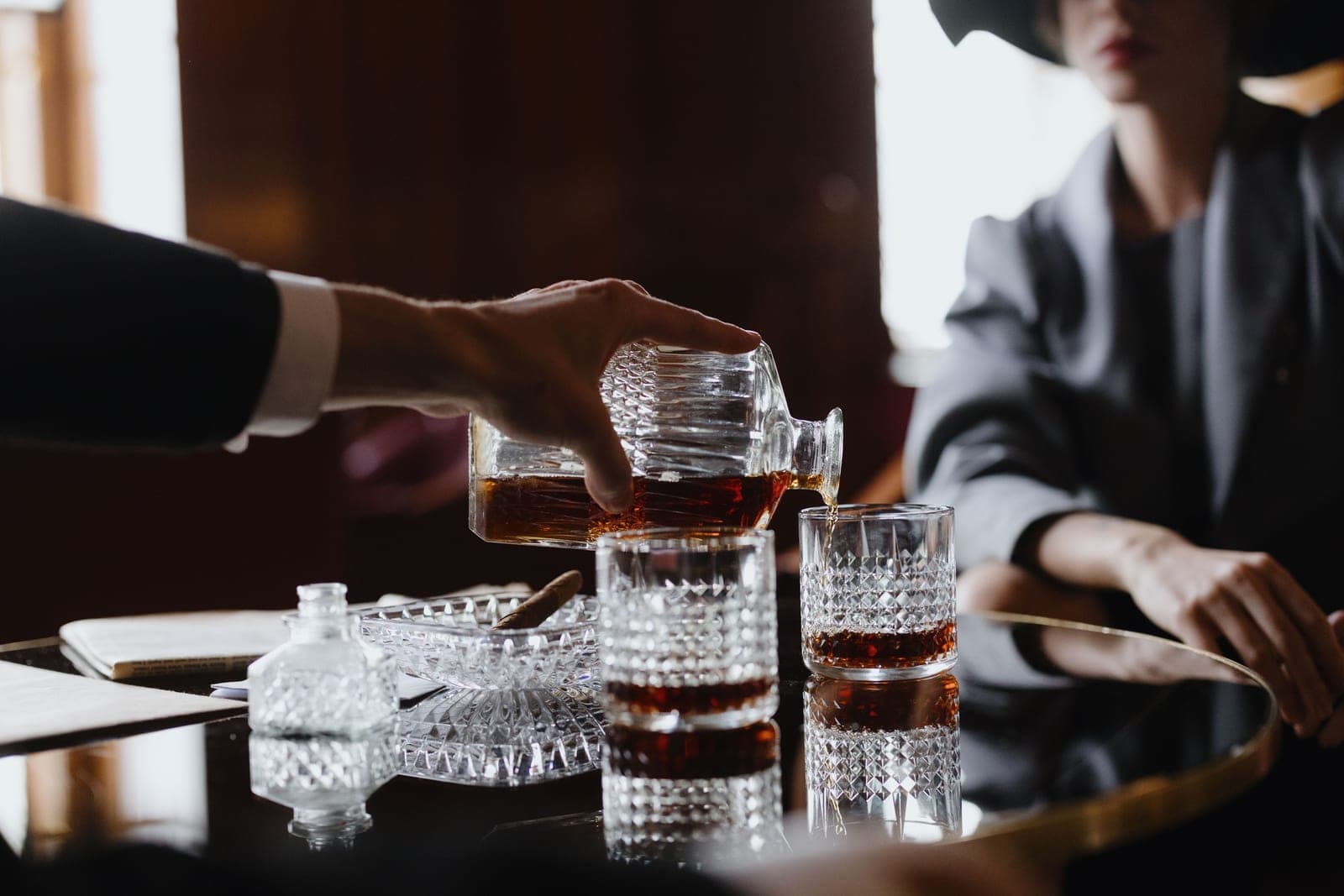
Are whiskey decanters worth it?
Resolving the contradiction between the two biggest decanter articles online, with the lead-crystal research that neither of them mentions.
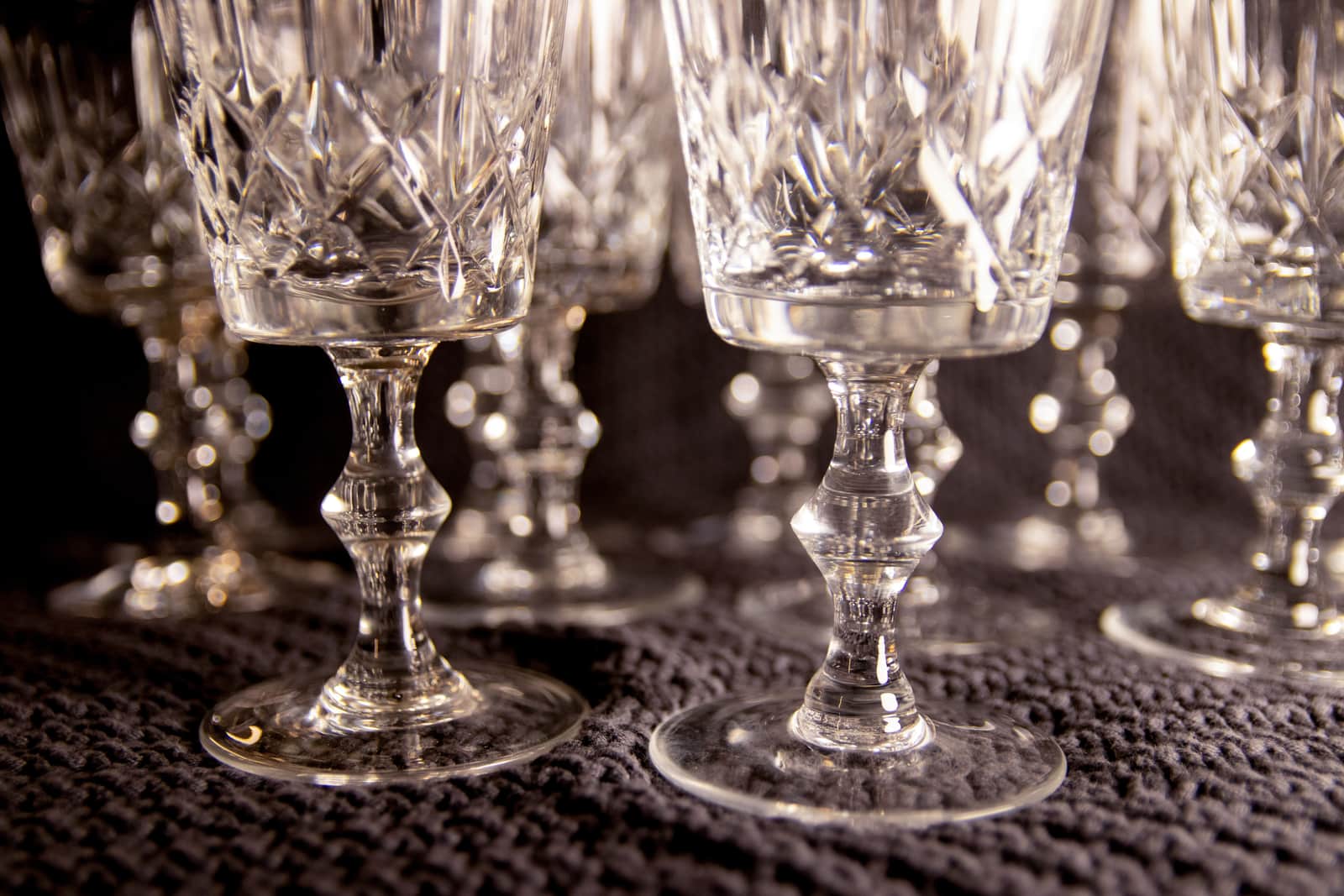
Crystal whiskey decanters
Crystal decanters ranked, with the 1991 Lancet lead measurement that makes a published lead-free spec matter more than the cut.
How to clean a whiskey decanter
Beads, brushes and technique for a narrow-necked decanter - what causes cloudiness, what removes it, and the one thing that permanently will not come out.
Whiskey travel kits and unbreakable glasses
Travel cases for real glasses, unbreakable glasses for boats and campsites, and the TSA rule that decides whether your bottle can fly at all.
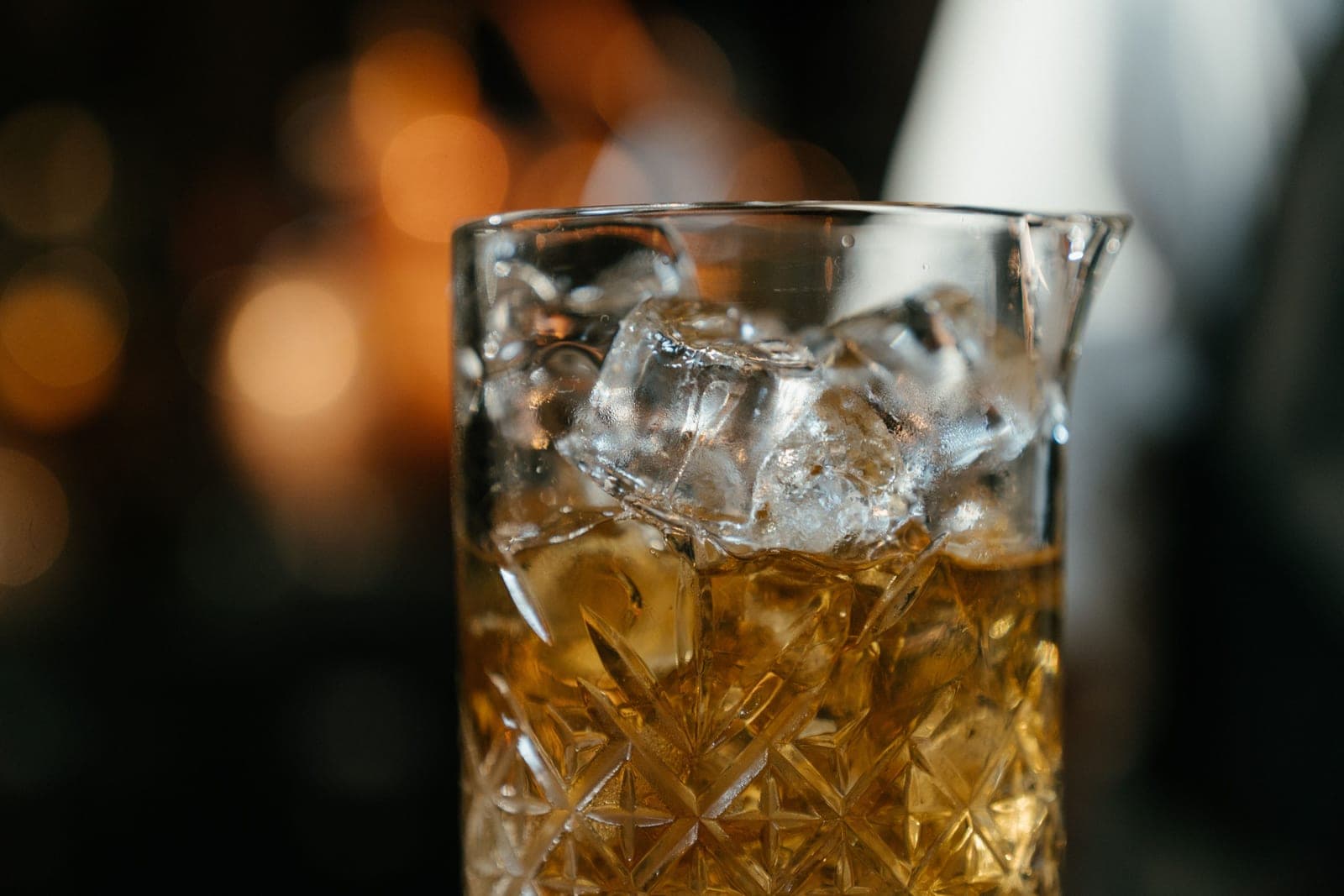
Whiskey stones vs ice
The head-to-head, in a table: chill, dilution, prep time and cleanup, with the physics cited rather than asserted.