Are whiskey decanters worth it?
It does nothing for the whiskey and something for the room. Whether that is worth thirty dollars depends entirely on which of those two you were buying.

Search this question and you get two confident, opposite answers from two large publications, neither of which acknowledges the other exists. Chowhound's decanter guide is titled, in part, and why you don't need one. The Gentleman's Journal runs a decanter feature on the premise that every man should own one. Both are well written. They cannot both be right, and the reason they disagree is that they are answering different questions.
The case against, and why it is correct
The argument against decanters is a factual one and it holds. Decanting wine does two real things: it exposes a young, tannic red to air, which softens it, and it separates an old wine from its sediment. Whiskey has neither problem. It is distilled, so there is no sediment. It is bottled at forty percent alcohol or more and has already spent years in oak, so an hour in a glass vessel does nothing measurable to it.
Anyone who tells you a decanter will open up your bourbon is repeating a wine idea in a place it does not belong. On the question does this improve the whiskey, the answer is no, and the skeptics are right.
The case for, and why it is also correct
The case for decanters is not about the liquid, and the good version of it does not pretend to be. It is that a decanter changes the experience around the drink: a heavy vessel with a stopper looks deliberate on a shelf in a way that a commercial bottle with a shipping label does not, and pouring from one is a slightly more considered act than unscrewing a cap.
That is an aesthetic argument, and aesthetic arguments are allowed. People buy nice plates, good pens and heavy glassware for exactly the same reason. The mistake is not buying a decanter - it is buying one because someone implied it would make cheap bourbon taste better.
The lead question, which nobody mentions
Neither of the two big articles raises the one genuinely important caveat. Leaded crystal leaches lead into the liquid it holds, and the effect is not trivial over time.
Graziano and Blum published the measurement in The Lancet in 1991: port containing 89 micrograms of lead per liter was placed in crystal decanters, and the lead content of the wine rose steadily to 3,518 micrograms per liter after four months. That is a fortyfold increase from storage alone.
The practical reading is straightforward. Serving from a leaded crystal decanter over an evening is a very different situation from keeping a bottle in one for a year. If a decanter is going to be used as storage - which is exactly what most people do with them - buy one with a published lead-free or non-lead specification. Several of our picks state it outright, and that disclosure is one of the things we rank on.
Who should buy one
- Someone who displays their bottles - a decanter is the piece that makes a shelf look intentional.
- Someone who hosts. Pouring for guests from a decanter is a different social act from handing round a bottle.
- A gift buyer who needs the present to look like a present. A boxed decanter set unwraps well, which is worth something on its own.
- Anyone buying for a milestone - retirement, a fiftieth, a new house. The object outlasts the occasion, which is the point.
Who should not
- Anyone hoping to improve the whiskey. Nothing in this category does that.
- Someone who buys one bottle at a time and finishes it. A decanter is for a bottle you live with, not one you drink.
- A collector who values the original packaging. Decanting a bottle destroys its provenance and, for anything collectible, its value.
- Anyone who will store spirits in it for months and cannot confirm it is lead-free.
If you have landed on yes, the ranked decanters and the boxed sets are the next stop, and why decanters are so expensive covers what you get as the price climbs. If the answer is no, glassware is the whiskey gift that genuinely does change the drink. And if the reason you were considering one was to keep an open bottle fresh, it will not - storing whiskey covers what actually does.
Common questions
Does a whiskey decanter improve the taste?
No. Aeration and sediment separation are wine problems; a distilled spirit at forty percent alcohol has neither. Anyone claiming a decanter opens up whiskey is applying a wine idea where it does not transfer.
Is a whiskey decanter worth buying then?
Yes, if you want the object rather than an effect on the liquid. It makes a bottle look considered and turns pouring into a small ritual. That is a real reason to buy something and it is what almost every decanter is actually bought for.
Is lead crystal dangerous for whiskey?
For long storage, it is a genuine concern. Graziano and Blum measured lead in port rising from 89 to 3,518 micrograms per liter over four months in crystal decanters. Serving from one over an evening is a different situation, but if a decanter is going to hold a bottle for months, buy one with a published lead-free specification.
Are whiskey decanters worth anything as antiques?
That is a different question from whether they are worth using, and it is worth separating the two. Value in vintage decanters comes from the maker and the pattern, not from the category - and an old leaded crystal piece is one you would display rather than store spirits in.
What should I buy instead of a decanter?
Glassware, if you want the gift to actually change the drink. A tapered nosing glass genuinely concentrates aroma in a way a straight-sided tumbler does not. Our picks are on whiskey glassware.
Sources
- Graziano JH, Blum C. Lead exposure from lead crystal. The Lancet, 19 January 1991 (PMID 1670790) - retrieved 2026-09-02
- Chowhound - How To Choose The Best Whiskey Decanter (And Why You Don't Need One) - retrieved 2026-09-02
- The Gentleman's Journal - The best whisky decanters for modern men's home bars - retrieved 2026-09-02
Why there is nothing to buy on this page: This page answers a yes-or-no question, and a buy button beside the reasoning would undermine both. The ranked decanters are one click away on the decanter hub.
Read next
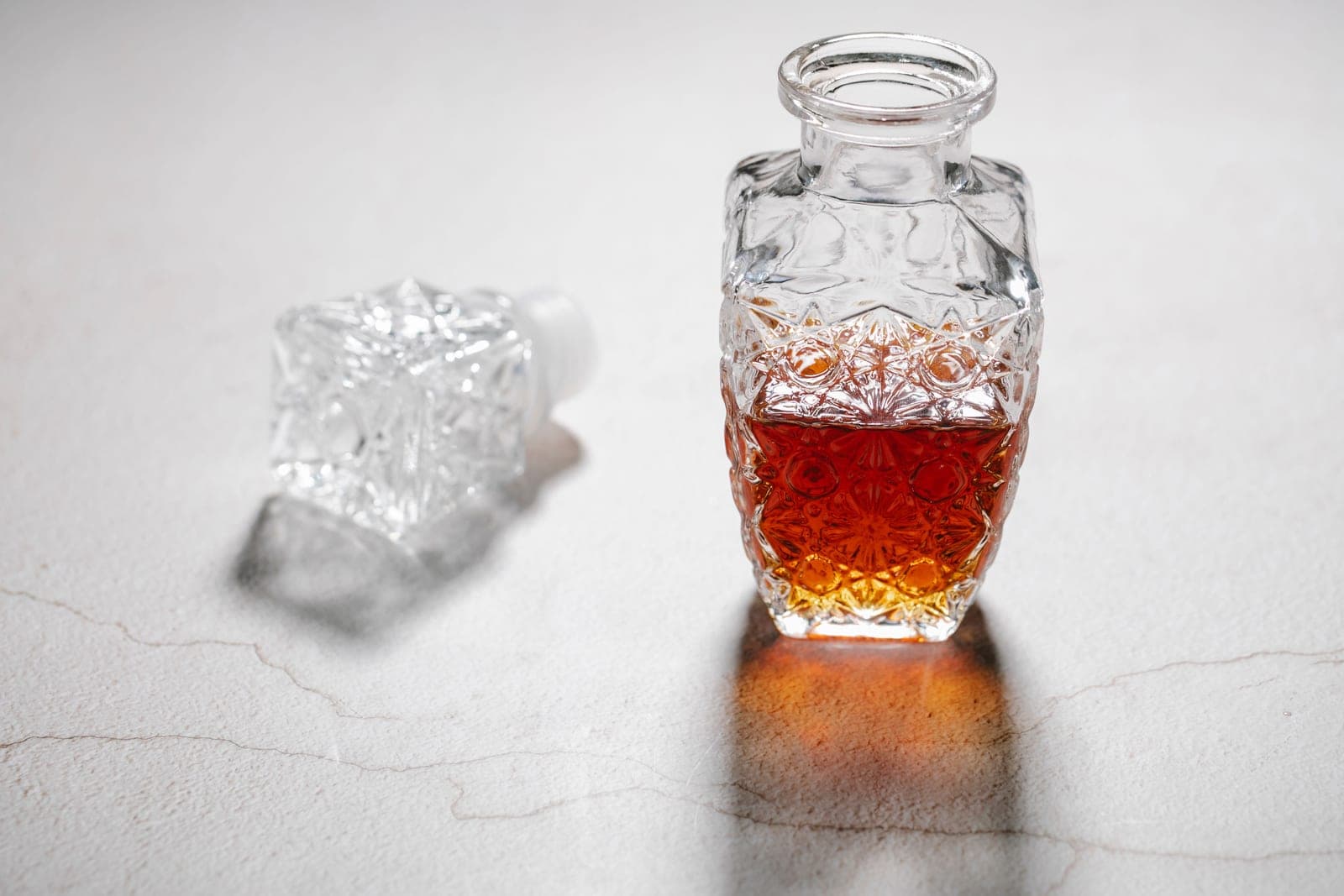
Whiskey decanters: which ones are worth it
Ranked decanters with the capacity, material and closure each listing actually publishes - and an honest account of what a decanter is for.
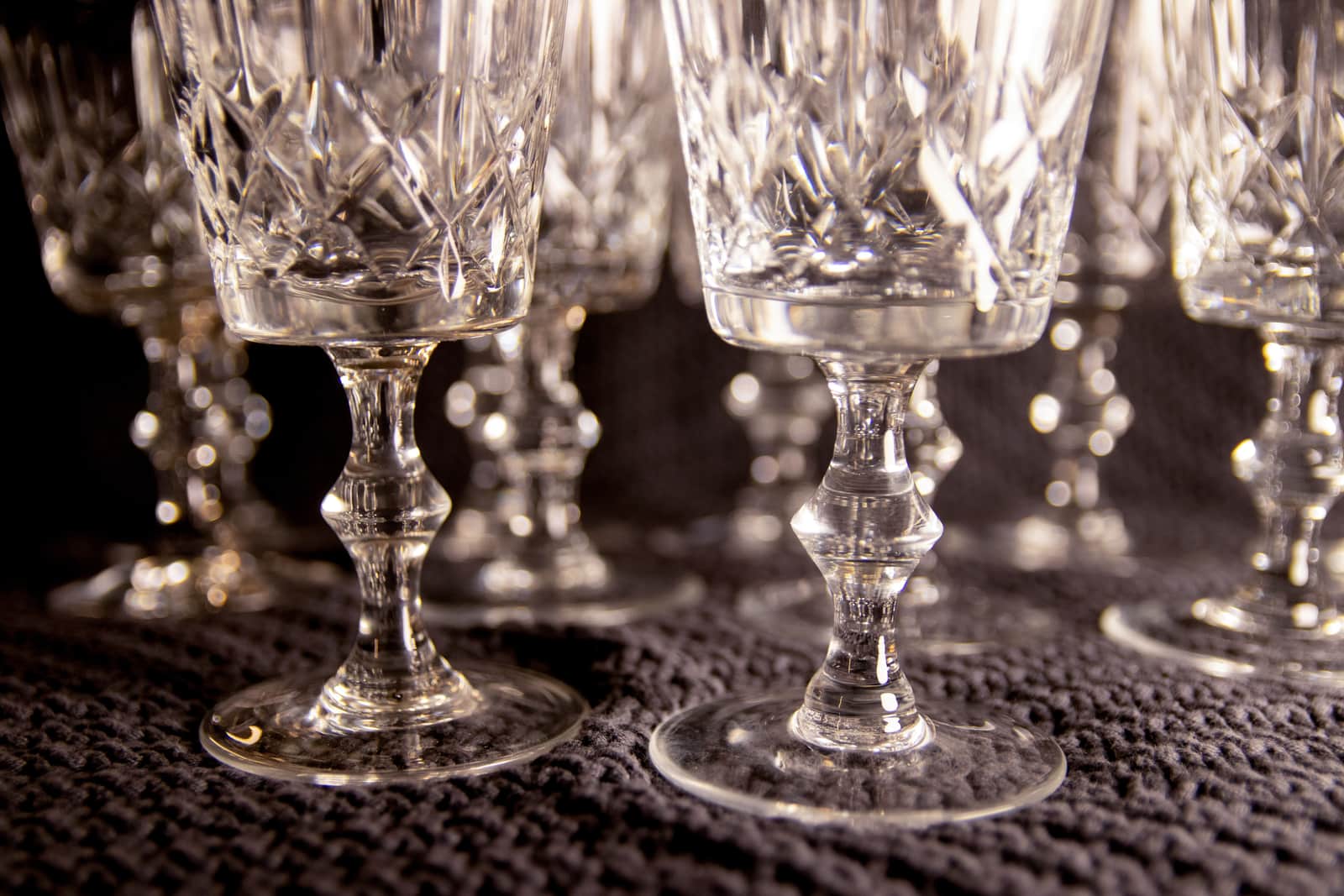
What is a decanter?
The plain definition, the origin of the word, and the difference between what decanters do for wine and for spirits.
Why are decanters so expensive?
The four things that drive decanter prices, what each actually buys you, and the point where more money stops helping.
Crystal whiskey decanters
Crystal decanters ranked, with the 1991 Lancet lead measurement that makes a published lead-free spec matter more than the cut.
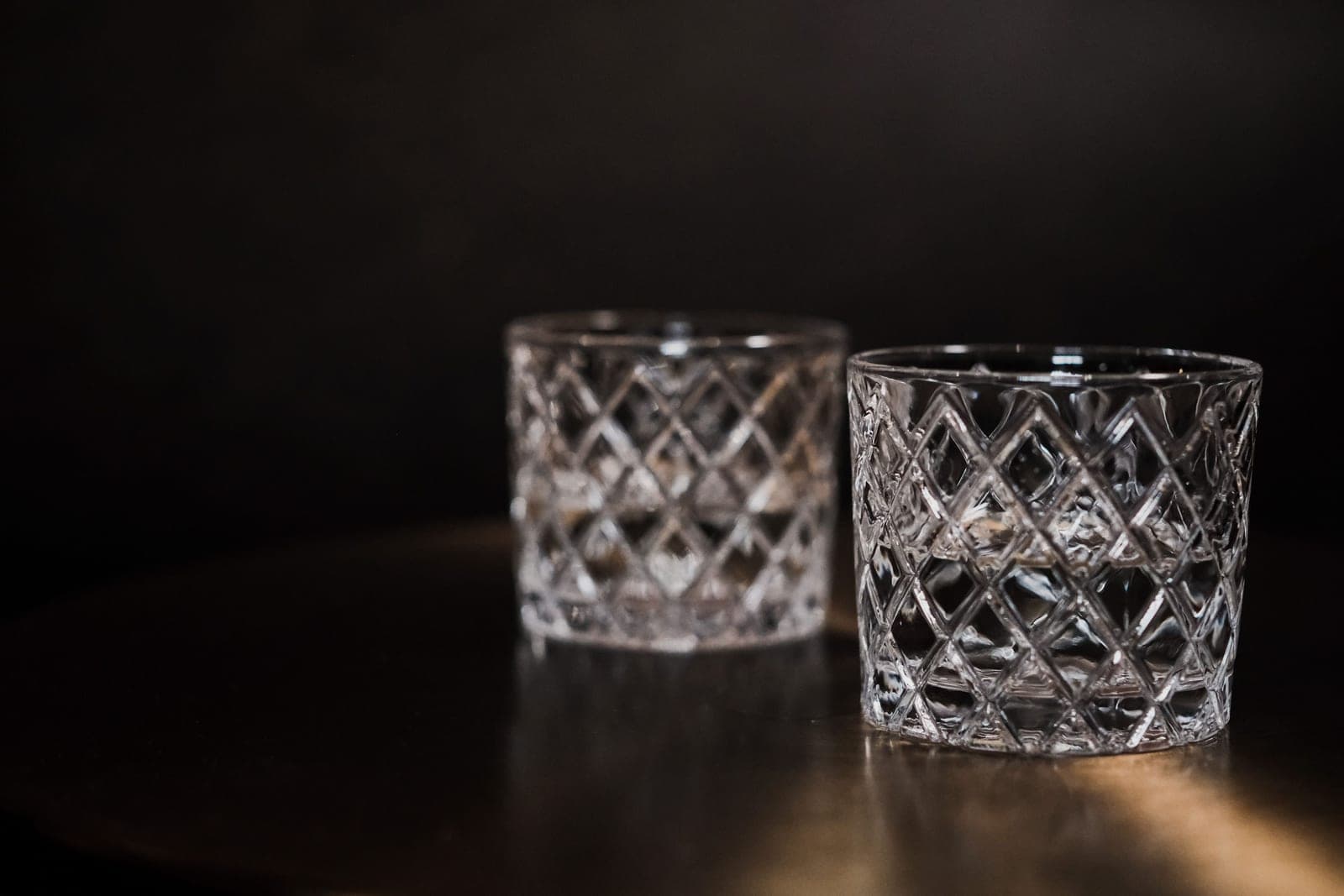
Whiskey glasses: the gift that actually changes the drink
The ranked glassware, from a fifteen-dollar nosing glass to a full crystal set, with what each listing actually publishes.