How does a whiskey decanter work?
Mechanically it is a glass vessel with a friction-fit stopper. What that means in practice is the interesting part.
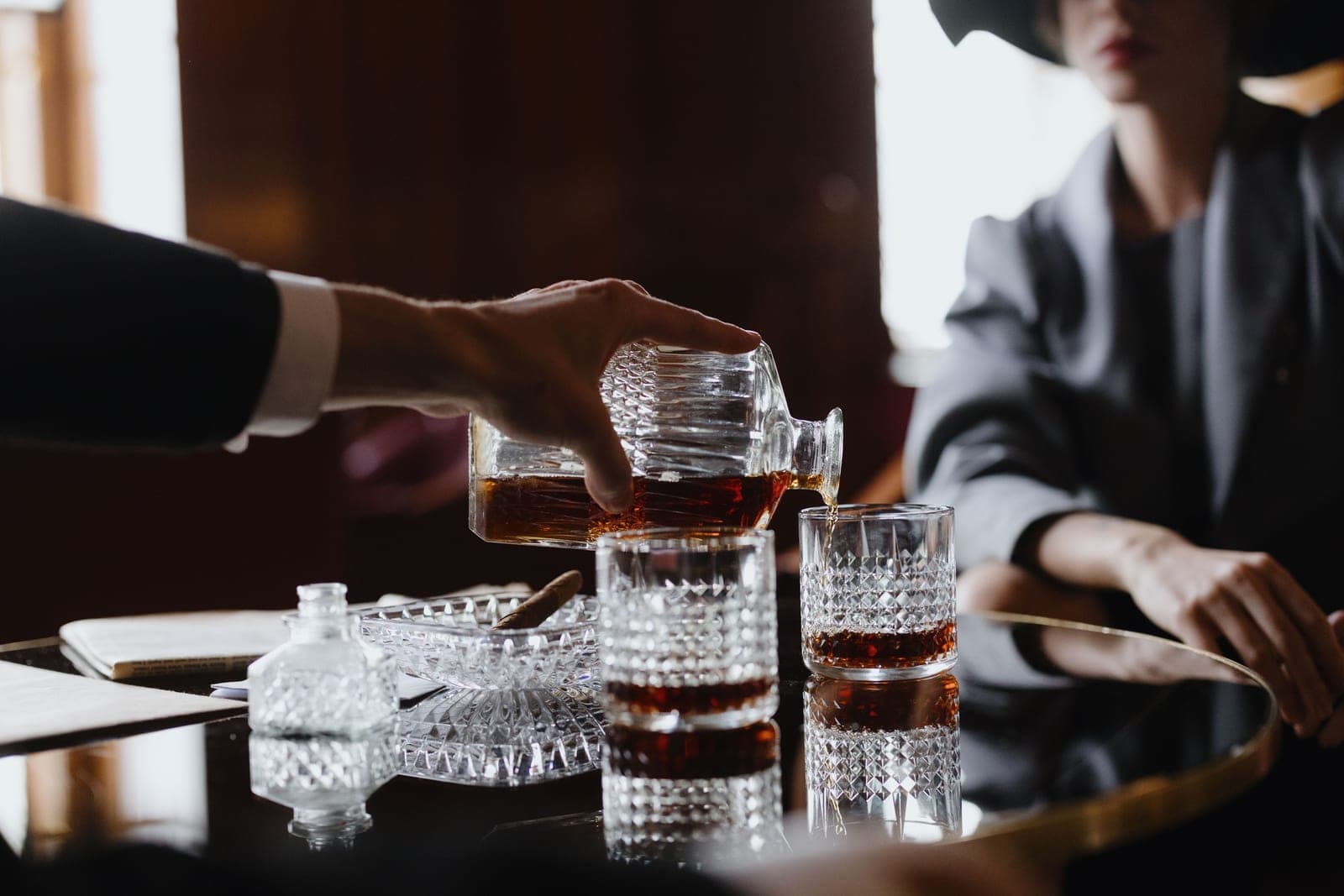
This question usually gets answered as though a decanter were doing something to the whiskey. It is not. What follows is what actually happens inside one, which is more useful when you are deciding how to use the thing.
The stopper is the whole mechanism
A ground glass stopper is made by grinding the stopper and the neck against each other with an abrasive until they mate. That produces a snug, individually fitted closure - which is why stoppers are not interchangeable between decanters, even identical ones from the same maker.
Snug is not sealed. There is no gasket and no compression, so vapor still passes. What the stopper does is slow the exchange between the air inside the decanter and the air in the room, which is enough to keep a bottle in good condition for weeks and not enough to keep one for years.
Why evaporation is the mechanism that matters
Alcohol is more volatile than water, so it leaves a partly open vessel faster. Losing a little alcohol would be a minor issue on its own. The real loss is aromatic: the volatile compounds that carry most of what you perceive as flavor are the first to go, so a whiskey that has sat in a loosely stoppered decanter for a long time tastes flatter rather than weaker.
This is also why the amount of air in the decanter matters. A decanter with two fingers of whiskey left in it has a large volume of air above the liquid, and that whiskey will fade considerably faster than a full one. If a decanter is getting low, decant less next time rather than topping it up.
What about aeration?
For wine, a decanter works by exposing a large surface of liquid to air, which softens tannins and opens up aromas over an hour or two. For a distilled spirit at forty percent alcohol or more, that mechanism is not available in any meaningful degree - there are no tannins to soften and the spirit has already spent years in oak.
Anyone describing a whiskey decanter as letting the spirit breathe is applying a wine mechanism where it does not transfer. The full version of that argument is on are decanters worth it.
Practical consequences
- Decant a bottle you are actively drinking, not one you want to keep. Weeks and months are fine; years are not.
- Keep it reasonably full. A near-empty decanter fades its contents faster because of the air above the liquid.
- Keep it out of direct sunlight. Light degrades spirits over time and a decanter, unlike most bottles, is usually clear.
- Check the stopper seats properly. If it rocks or sits high, it is not a matched stopper and it will slow evaporation less.
- If it is leaded crystal, do not use it as storage. The lead research is the reason this is a rule rather than a preference.
For what to look for when buying one, see the decanter hub. For the vessel that is not a decanter, decanter vs carafe, and for whether your whiskey is better off staying in its original bottle, decanter vs bottle.
Common questions
How does a whiskey decanter work?
It holds whiskey in a glass vessel closed with a ground glass stopper. The stopper is a friction fit that slows the exchange of air, which slows evaporation of alcohol and aromatic compounds. It does nothing to the whiskey chemically.
Does a decanter let whiskey breathe?
Not usefully. Breathing is a wine mechanism - air contact softening tannins - and a distilled spirit has no tannins to soften. Air contact for whiskey is a loss rather than a benefit.
How long does whiskey last in a decanter?
Weeks to a few months in good condition, depending on how well the stopper seats and how full the decanter is. Whiskey does not spoil, but it does fade as aroma escapes past the stopper, and a near-empty decanter fades faster.
Why do decanters get cloudy?
Trapped moisture. The narrow neck makes a decanter almost impossible to dry with a cloth, and water left inside slowly etches the glass. Drying inverted on a rack prevents it; once the etching is there it is permanent.
Sources
- Chowhound - How To Choose The Best Whiskey Decanter (And Why You Don't Need One) - retrieved 2026-09-02
- Graziano JH, Blum C. Lead exposure from lead crystal. The Lancet, 19 January 1991 (PMID 1670790) - retrieved 2026-09-02
Why there is nothing to buy on this page: This explains a mechanism rather than recommending a product. The picks are on the decanter hub.
Read next
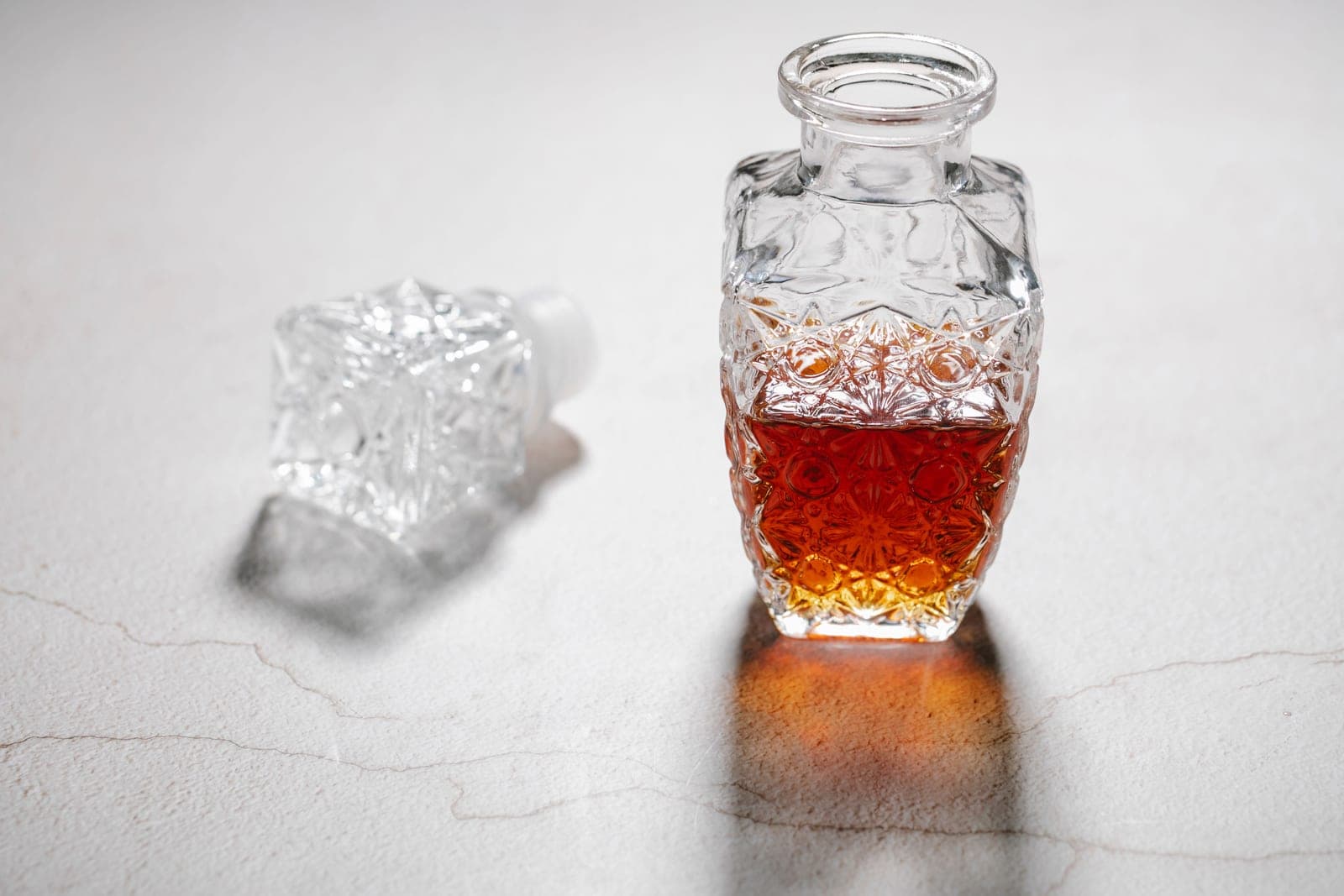
Whiskey decanters: which ones are worth it
Ranked decanters with the capacity, material and closure each listing actually publishes - and an honest account of what a decanter is for.
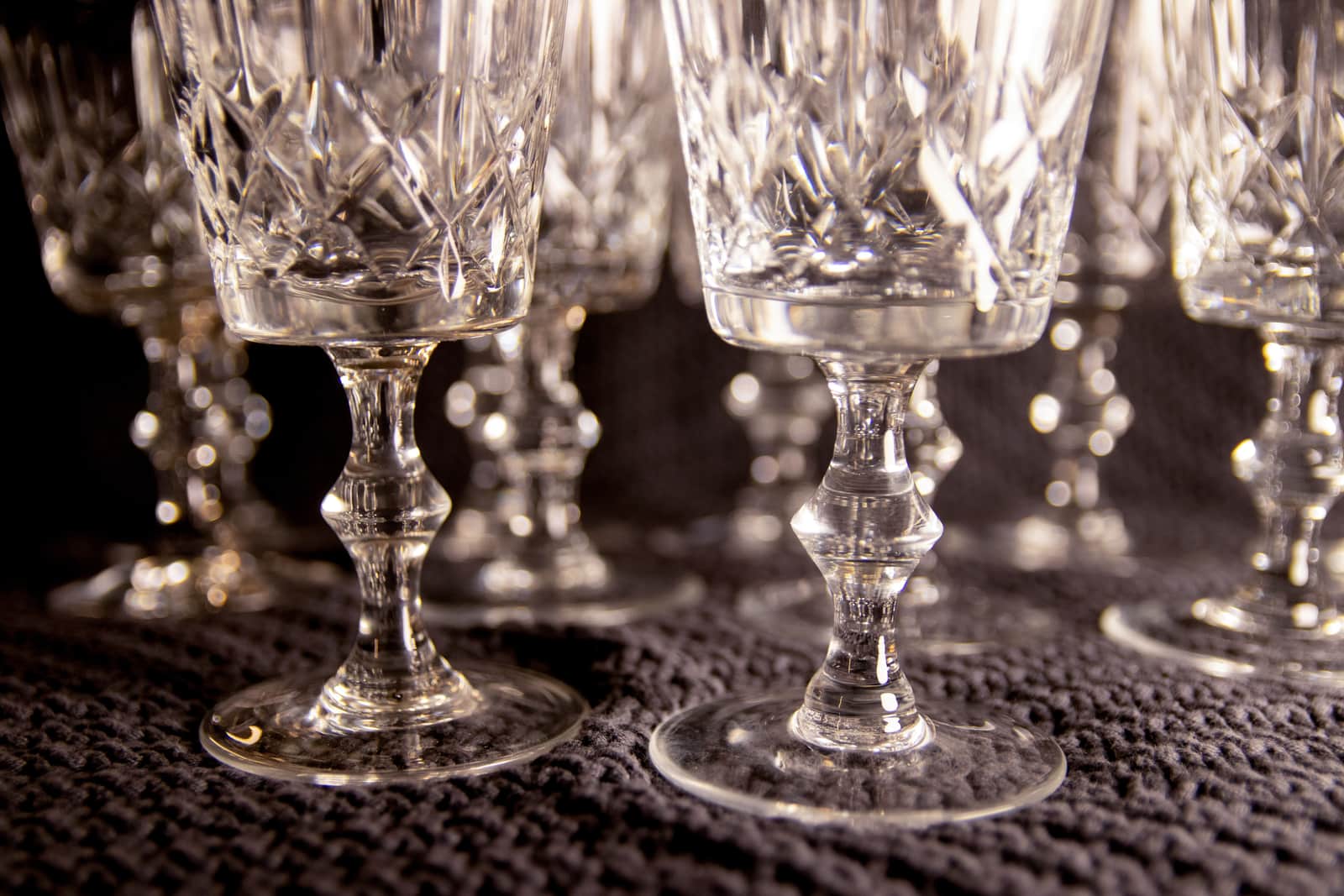
What is a decanter?
The plain definition, the origin of the word, and the difference between what decanters do for wine and for spirits.
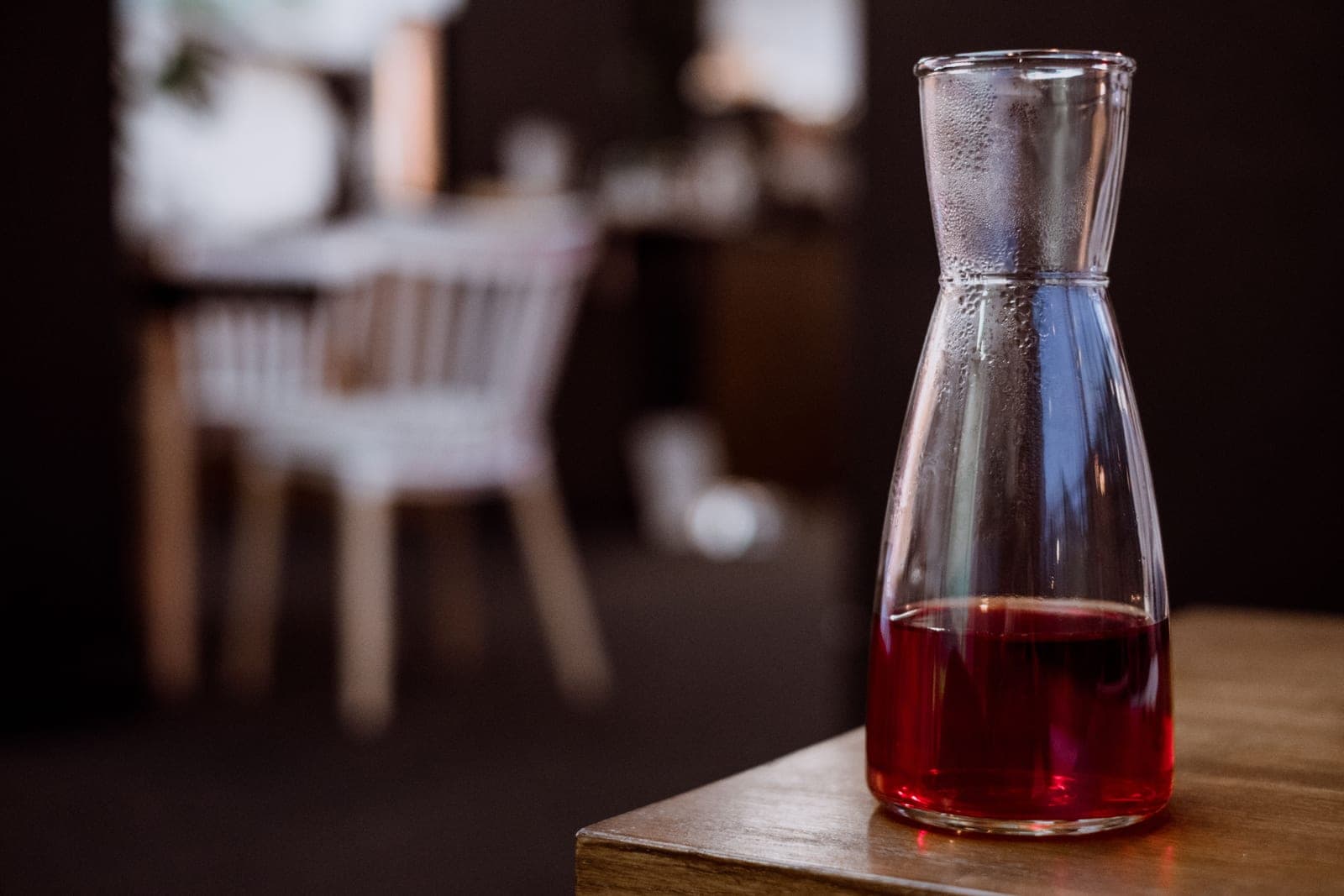
Decanter vs carafe
The stopper is the whole distinction, and it decides which vessel suits spirits, wine and water.
Are whiskey decanters worth it?
Resolving the contradiction between the two biggest decanter articles online, with the lead-crystal research that neither of them mentions.
Crystal whiskey decanters
Crystal decanters ranked, with the 1991 Lancet lead measurement that makes a published lead-free spec matter more than the cut.