Whiskey stones vs ice
One of these chills your whiskey. The other keeps it undiluted. They are not competing at the same thing, and knowing which you want settles the argument in one line.
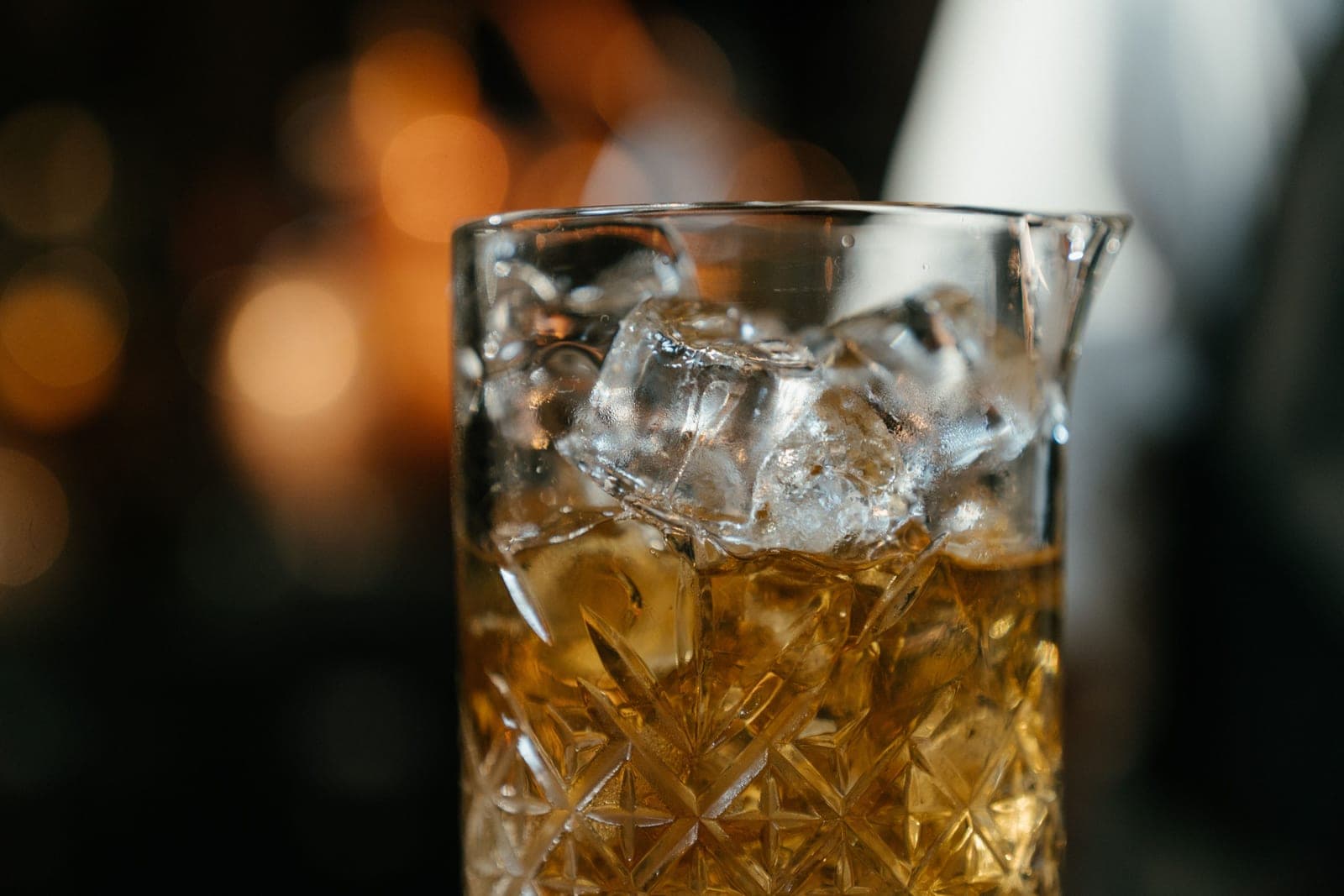
This one gets argued in circles because both sides are describing different things. Ice is better at chilling. Stones are better at not diluting. Neither is better overall, because those are two different jobs. Work out which job you are hiring for and the argument ends.
The comparison
| Whiskey stones | Ice | |
|---|---|---|
| Chill | Small and short-lived. Stone has a lower heat capacity than ice, so it gives up its cold quickly. | Substantial and sustained. Ice holds more cold and keeps absorbing heat while it melts. |
| Dilution | None at all. Nothing leaves the stone and enters the glass. | Yes, and increasingly as it melts. A large cube dilutes slowly; crushed ice dilutes fast. |
| Prep | Freeze for several hours. Reusable indefinitely. | Freeze for several hours in a mold, or use whatever the freezer makes. |
| Cleanup | Wash, dry and re-freeze. They have to be stored somewhere. | None. It goes down the sink. |
| Cost over time | One purchase, then free forever. | One mold purchase, then the cost of water. |
| Risk to glassware | Granite and marble can chip a glass if dropped in carelessly. Stainless cannot. | None. |
Why ice wins on chill, specifically
Iskender Sahin, professor and associate chair of mechanical engineering at NYU Tandon School of Engineering, set out the mechanism to Whisky Advocate. There are two parts to it.
The first is heat capacity - how much energy it takes to warm something by a degree. Ice has a higher heat capacity than stone, so the same volume of ice can absorb more heat from your whiskey before it stops being useful.
The second is the phase change, and it is the one that decides the argument. Melting ice from solid to liquid takes a large amount of energy, and while that is happening the ice stays at its melting temperature rather than warming up. So a melting cube keeps pulling heat out of the drink at a constant temperature for as long as it lasts. A stone has nothing comparable. Once it has warmed up, it is done.
Which to buy for which person
- They drink it neat and find it a bit warm: stones. This is their use case and ice would change the drink in a way they do not want.
- They drink it on the rocks: ice, and specifically a large-format mold. Stones would be a downgrade from what they already do.
- They make cocktails: ice. An old fashioned needs the small amount of dilution as much as it needs the cold.
- They have a cask-strength bottle they are protective of: stones, for the same reason as the first case, but more so.
- You do not know: ice molds. A large cube mold is useful to anyone who drinks anything cold, and it is the safer gift of the two.
The longer reasoning behind all of this is on are whiskey stones worth it, and if the material question is what you actually came for, granite vs stainless steel covers it. Our selection method explains what we do instead of testing.
Common questions
Do whiskey stones chill as well as ice?
No. Ice chills substantially better because it holds more cold per unit volume and because melting absorbs a large amount of energy at a constant temperature - a mechanism stones have no equivalent to. The source is Whisky Advocate, quoting a mechanical engineering professor at NYU Tandon.
Is dilution actually bad for whiskey?
Not necessarily - a few drops of water is a standard way to open up a high-proof whiskey, and plenty of drinkers do it deliberately. Dilution is only a problem when it is unwanted or uncontrolled, which is what a fast-melting small cube gives you.
Which chills faster, a big cube or crushed ice?
Crushed ice, by a wide margin, because cooling is proportional to surface area. It also melts far faster, which is why bars use large cubes instead - the big cube trades some initial chill for much less water later.
Can you use whiskey stones and ice together?
You can, but there is not much point. Once ice is in the glass it dominates both the chilling and the dilution, and the stones are just taking up room where whiskey could be.
Sources
- Whisky Advocate - Whisky Stones vs. Ice: What's the Best Method? (Isabella Vaccaro, 27 January 2020) - retrieved 2026-09-02
- The Manual - Whiskey Stones or Ice? - retrieved 2026-09-02
Why there is nothing to buy on this page: This is a comparison of two methods rather than a shortlist of products. The stone sets are on the whiskey stones hub and the ice molds are on ice molds, and which of those two pages you want is exactly what this page is here to tell you.
Read next
Are whiskey stones worth it?
The flagship verdict: what stones can and cannot do, sourced to a named engineering professor rather than to the people selling them.
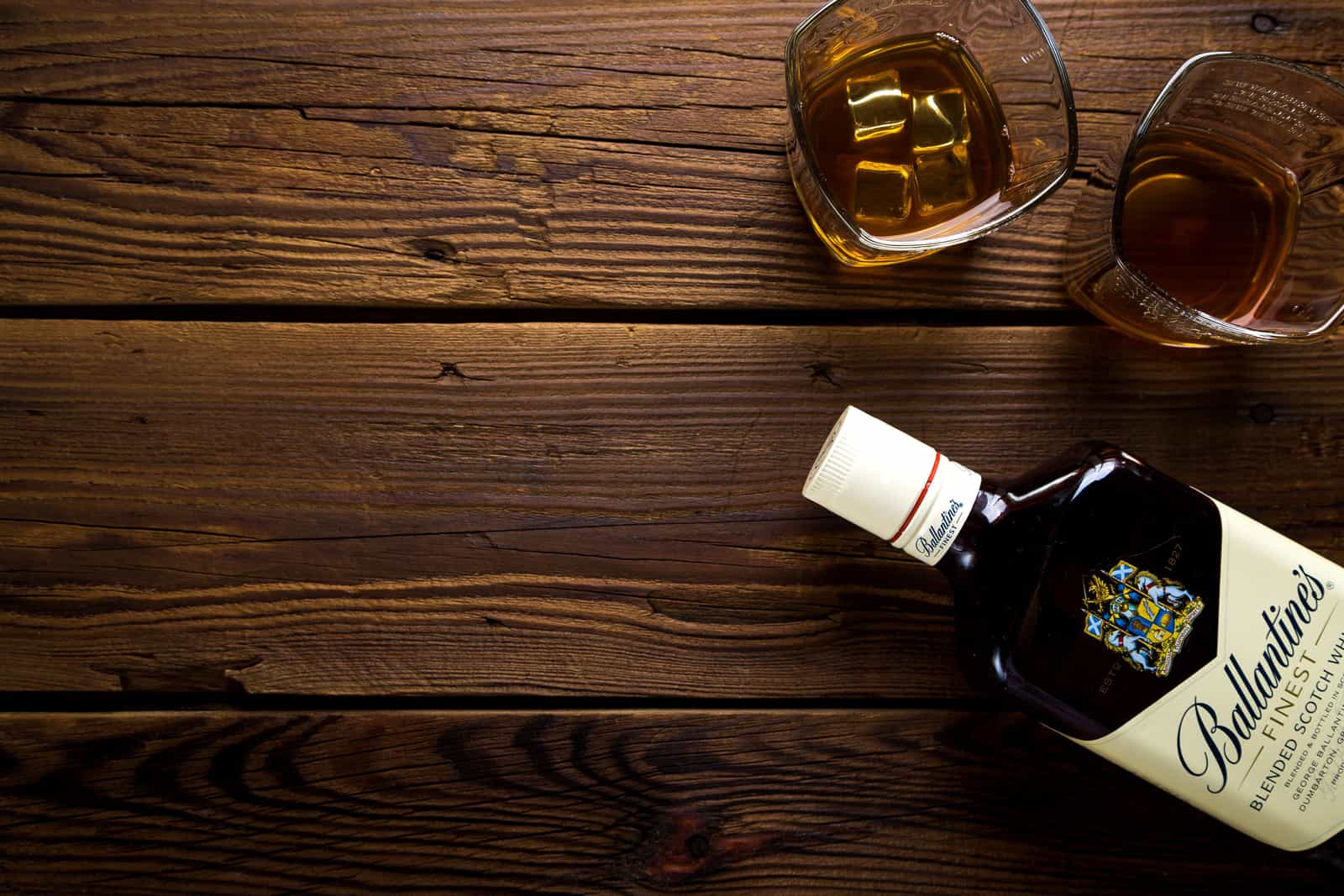
Whiskey stones: the good sets, and the honest verdict
The ranked stone sets, with the physics stated plainly first and the honest alternative linked next to them.
Whiskey stones vs stainless steel
Granite, soapstone and stainless compared on conductivity, taste transfer, glass safety and cost, with a pick for each.
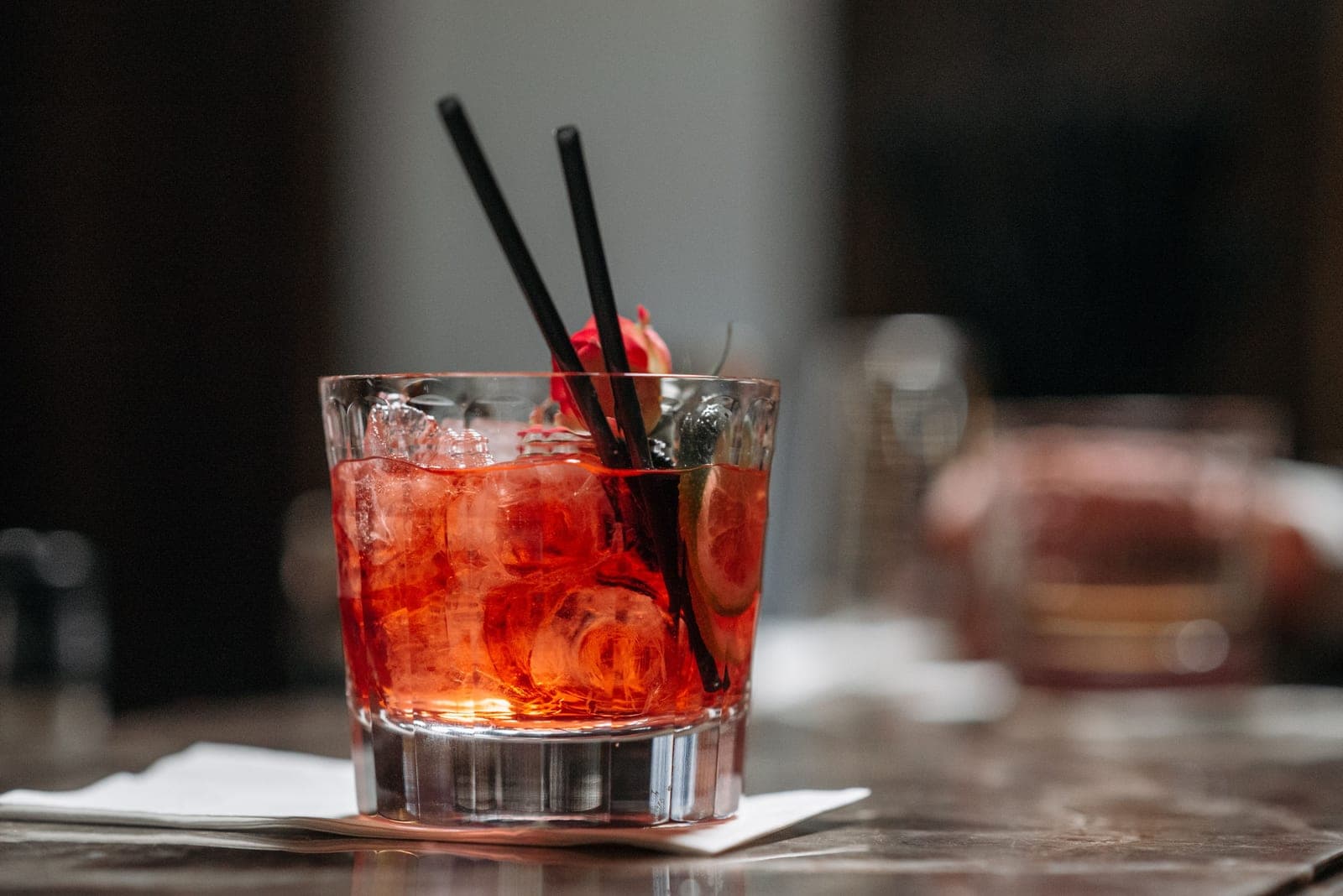
Whiskey ice molds
Large cube and sphere molds ranked - the honest alternative to whiskey stones, starting under ten dollars.
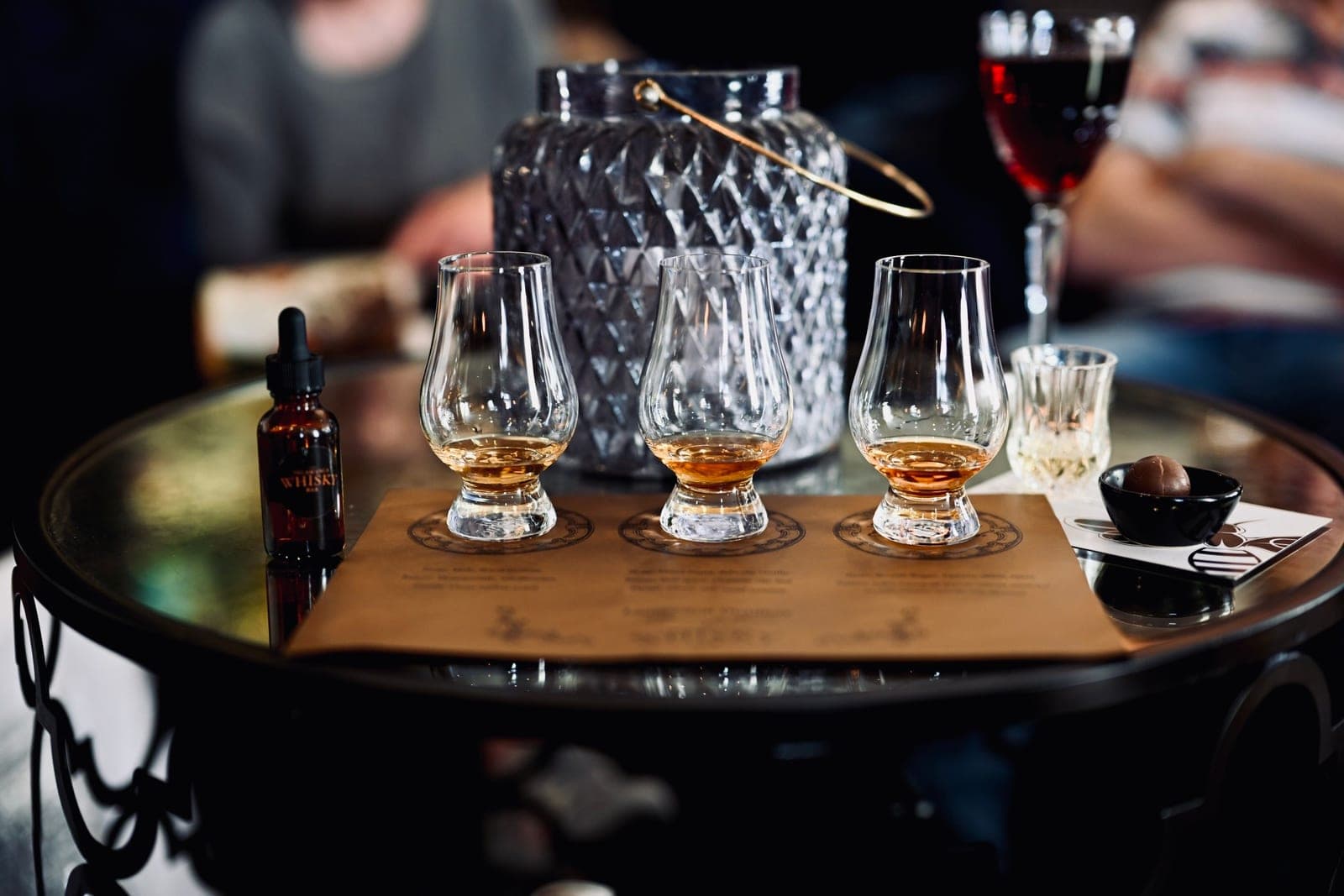
Whiskey glass types, compared
Every whiskey glass shape compared on what it does to aroma, what it suits, and who to buy it for.