Does the whiskey glass actually matter?
More than the decanter and much more than the stones. But the reason is narrower than glassware marketing implies, and it stops applying the moment ice goes in.
It would be more consistent with the rest of this site if the answer here were no. It is not, and pretending otherwise to keep a contrarian tone would be its own kind of dishonesty. But the scope of the effect is narrower than a glassware brand will tell you, and the boundaries are the useful part.
Where it genuinely matters
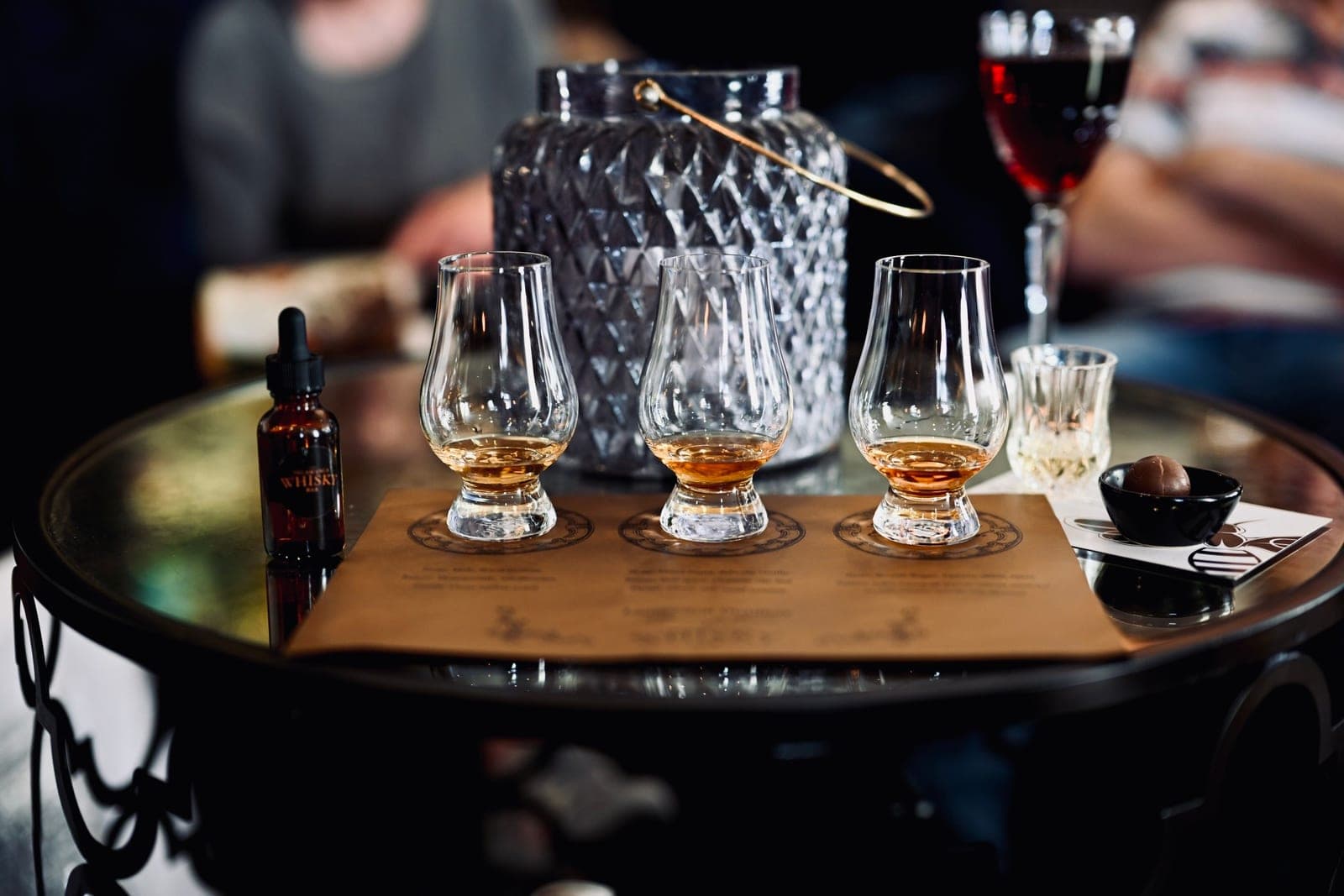
Whiskey drunk neat, at room temperature, being paid attention to. In that situation the shape of the glass changes the concentration of aroma arriving at your nose, and since aroma carries most of what you perceive as flavor, it changes the experience of the drink in a way anyone can verify at home with two glasses and one bottle.
This is not a subtle marketing effect. Pour the same whiskey into a tapered nosing glass and a wide tumbler, and the difference in what you smell is immediate. It is the reason distilleries use tapered glasses for tasting and the reason the Glencairn is on almost every serious whiskey shelf.
Where it stops mattering
The moment ice goes in
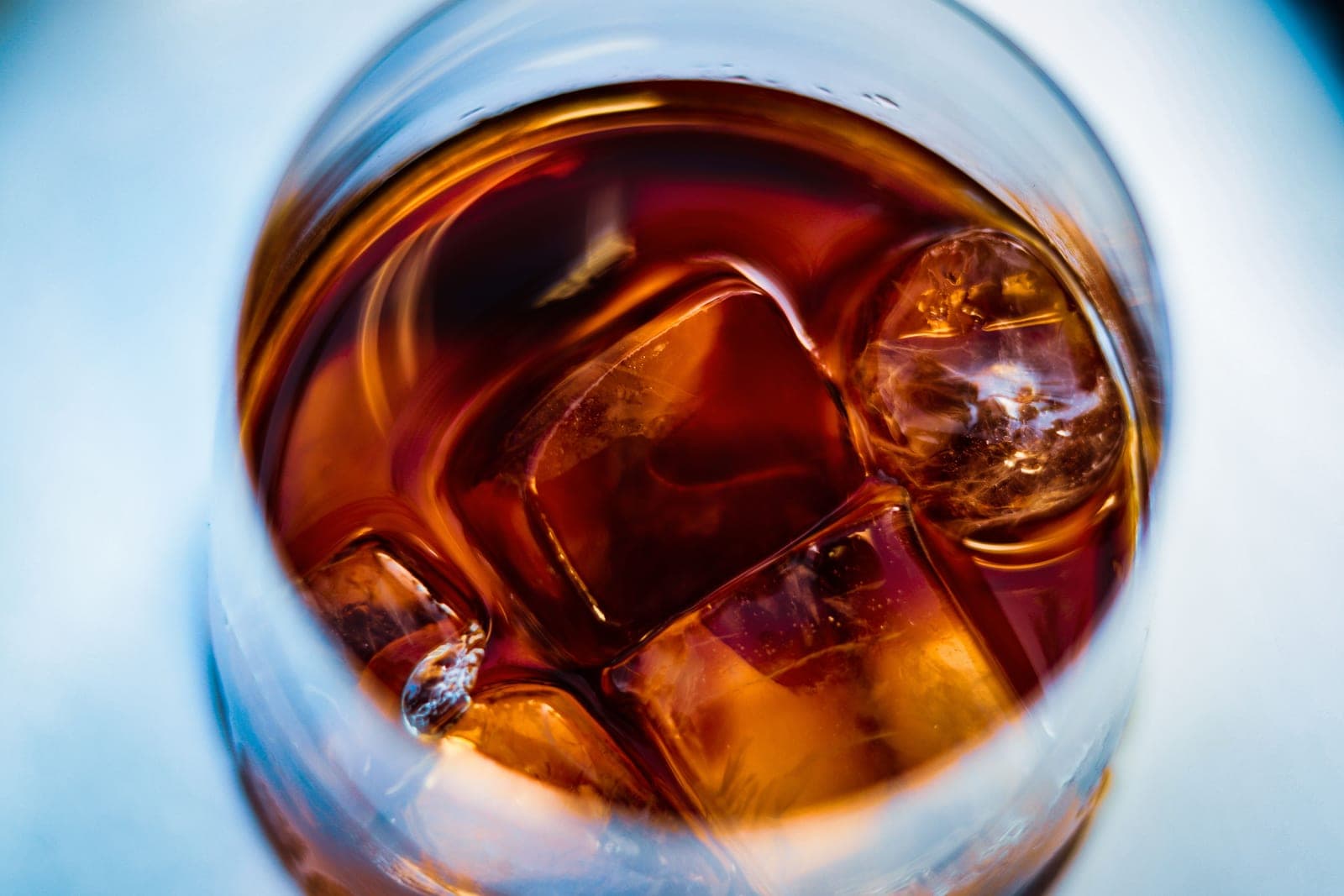
Cold suppresses volatility. A chilled whiskey is releasing far fewer aromatic compounds than a room-temperature one, which means there is much less for the glass shape to concentrate. For whiskey on the rocks the glass's job becomes practical - hold a large cube, sit stably, drink comfortably - and that is a rocks glass, not a nosing glass.
In a cocktail
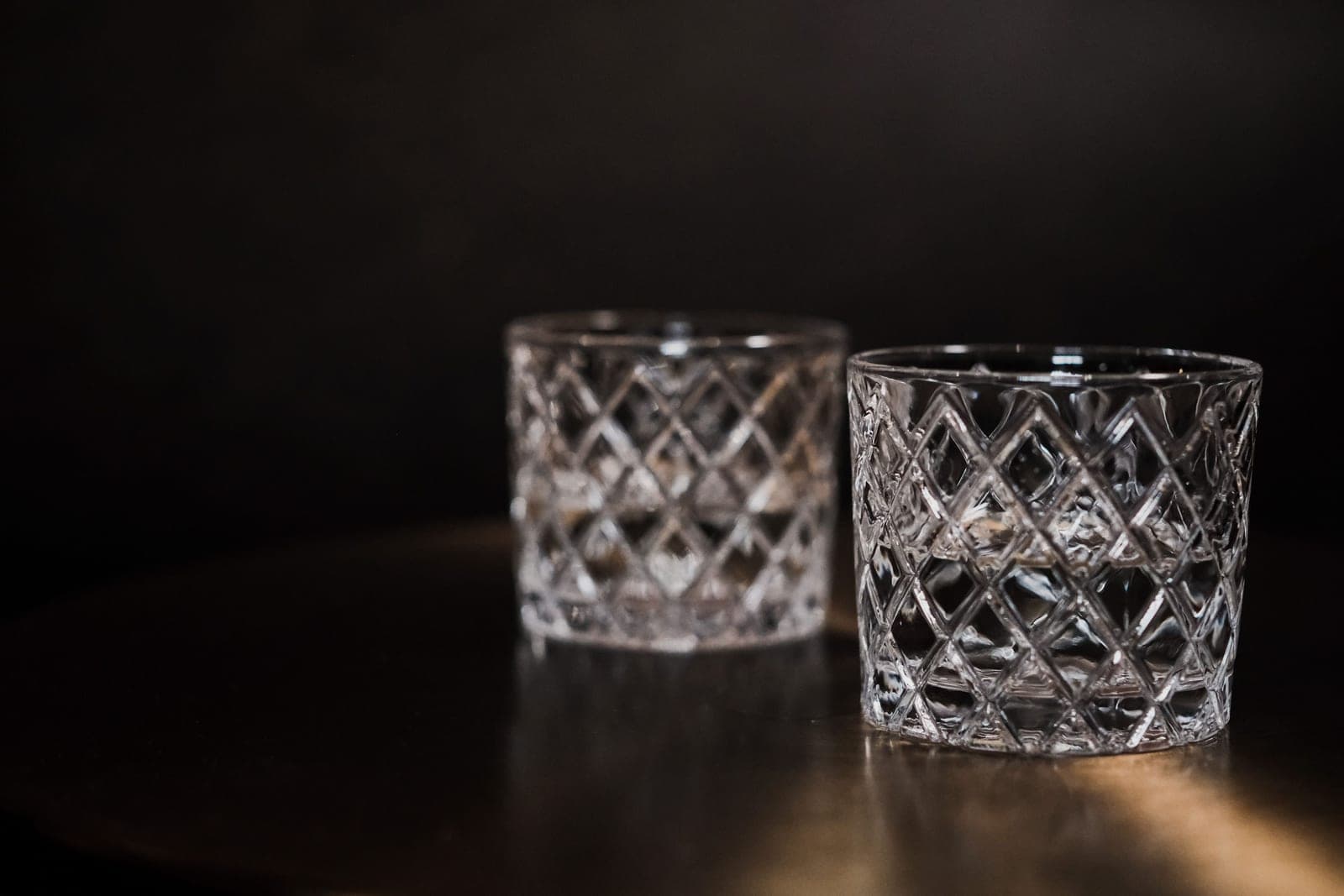
An old fashioned is a constructed drink with sugar, bitters and dilution in it. The glass is a container. Buy on capacity and weight.
For whether the whiskey is any good
No glass improves a bad whiskey. A tapered glass concentrates whatever is there, which for a harsh spirit means concentrating the harshness - one of the few cases where the right glass makes the drink worse.
So how much should you spend?
Very little, to get the effect. A single Glencairn-style nosing glass costs less than a bad restaurant pour and delivers essentially all of the shape benefit. Everything above that price is buying material, weight at the base, thinness at the rim and looks - real things, none of which are the aroma effect.
Which makes glassware unusual in this category: the cheap version works. That is the opposite of the situation with decanters, where the money buys craft, and with whiskey stones, where no amount of money buys the advertised effect.
For which shape does what, see whiskey glass types. For choosing one as a present, how to choose a whiskey glass. For the glass where this effect is strongest, the Glencairn, and for the one where it barely applies, rocks glasses.
Common questions
Does the shape of a whiskey glass really matter?
For whiskey drunk neat, yes. A bowl wider than the mouth concentrates aromatic compounds toward your nose, and most of what you taste arrives through the nose. For whiskey over ice the effect is much smaller, because cold suppresses the volatiles the shape would concentrate.
Is an expensive whiskey glass worth it?
Not for the aroma effect, which you get from an inexpensive nosing glass. The extra money buys material, weight, rim thinness and appearance. Those are legitimate things to want in a gift; they are not what changes the drink.
Can a glass make cheap whiskey taste better?
No, and it can do the opposite. A tapered glass concentrates whatever the whiskey is giving off, including harshness. A wide tumbler is more forgiving with a rough spirit.
Does the glass matter for whiskey on the rocks?
Much less. Cold suppresses aroma, so there is less for the shape to work with. What matters instead is capacity - at least 11 oz for a large cube - weight and a comfortable rim.
Sources
- FashionBeans - Best Gifts for Whiskey Lovers - retrieved 2026-09-02
Why there is nothing to buy on this page: This page answers a question about whether a category is worth spending on, and putting buy buttons under that answer would be arguing with a thumb on the scale. The glasses are on the glassware hub.
Read next
Whiskey glasses: the gift that actually changes the drink
The ranked glassware, from a fifteen-dollar nosing glass to a full crystal set, with what each listing actually publishes.
Whiskey glass types, compared
Every whiskey glass shape compared on what it does to aroma, what it suits, and who to buy it for.
How to choose whiskey glasses
A short decision guide: shape, capacity, weight, set size and presentation, in the order that actually narrows the choice.
Are whiskey stones worth it?
The flagship verdict: what stones can and cannot do, sourced to a named engineering professor rather than to the people selling them.
Are whiskey decanters worth it?
Resolving the contradiction between the two biggest decanter articles online, with the lead-crystal research that neither of them mentions.